Food & Drinks
Picnic Food and Drinks
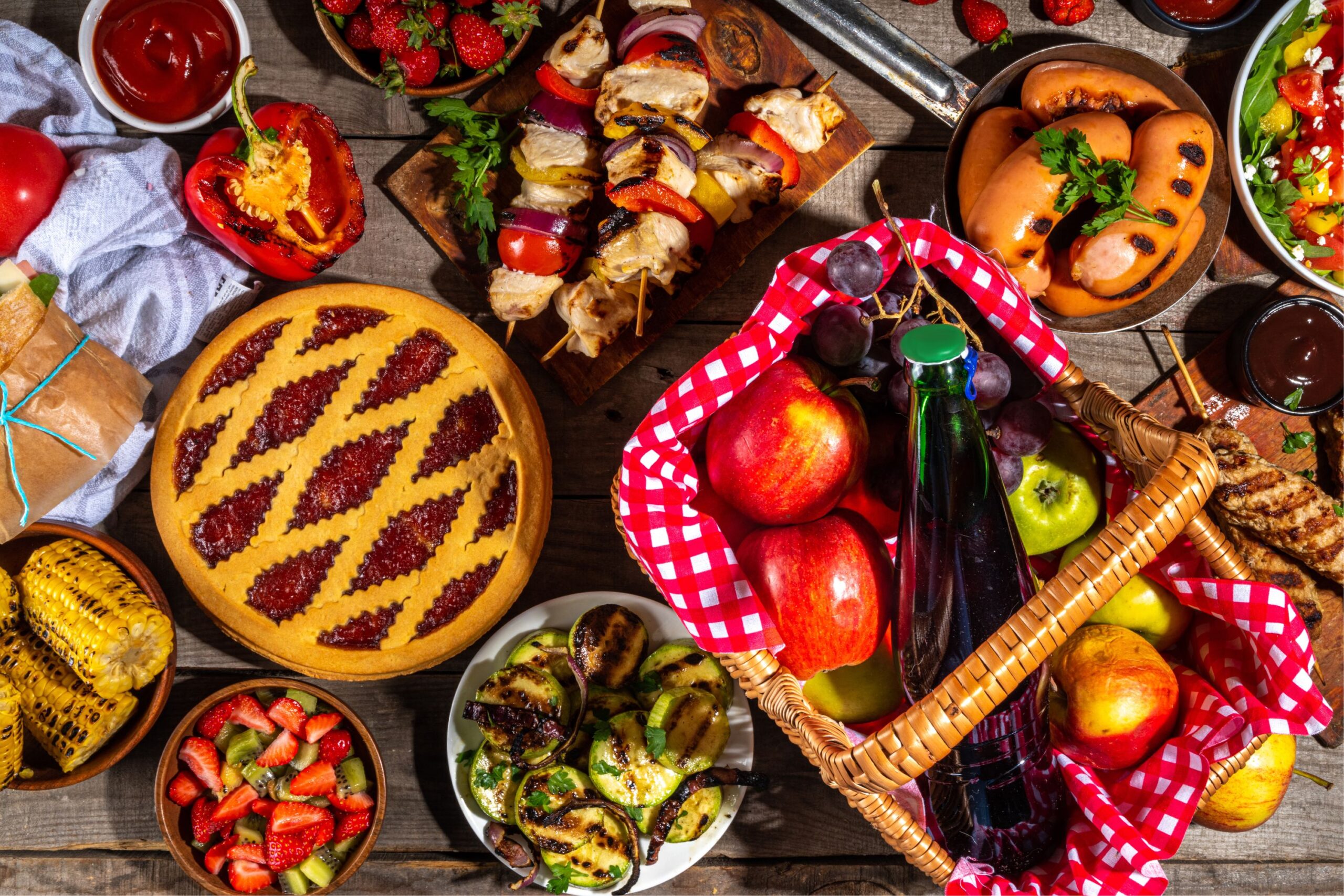
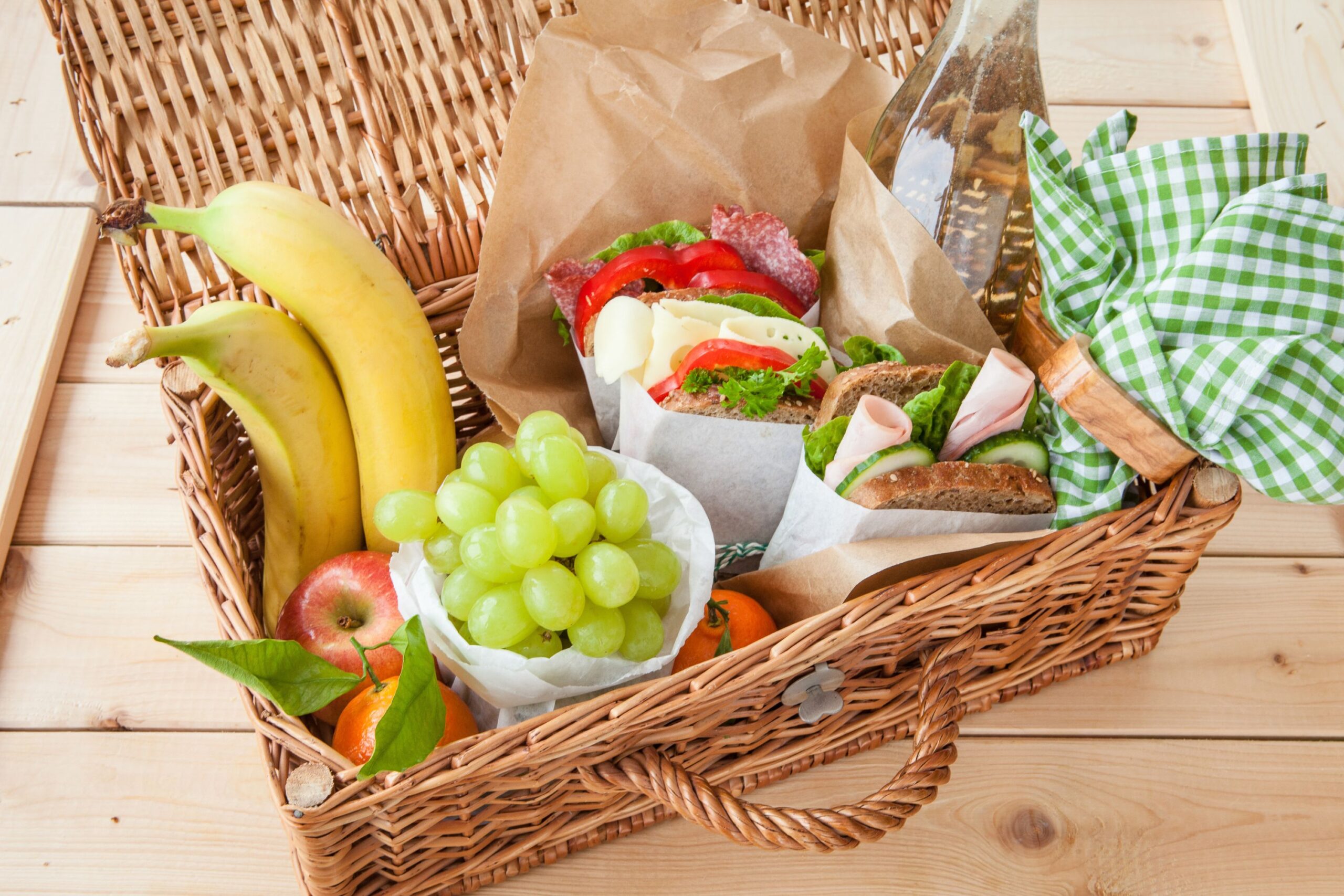
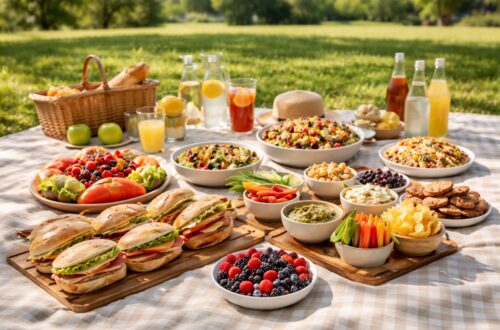
Picnic food and drinks work best when they are simple to transport, easy to serve, and able to stay fresh outdoors. A strong picnic menu includes foods that hold their texture during travel, drinks that stay cold in varying temperatures, and storage methods that prevent spills or contamination. Planning also means selecting balanced options for families, couples, or larger groups, organizing items to accommodate dietary needs, and preparing portions that minimize handling and waste. When you are appropriately prepared, picnic food and drinks remain safe, practical, and enjoyable throughout the entire outdoor experience.What picnic food and drinks are the easiest to pack and serve outdoors?
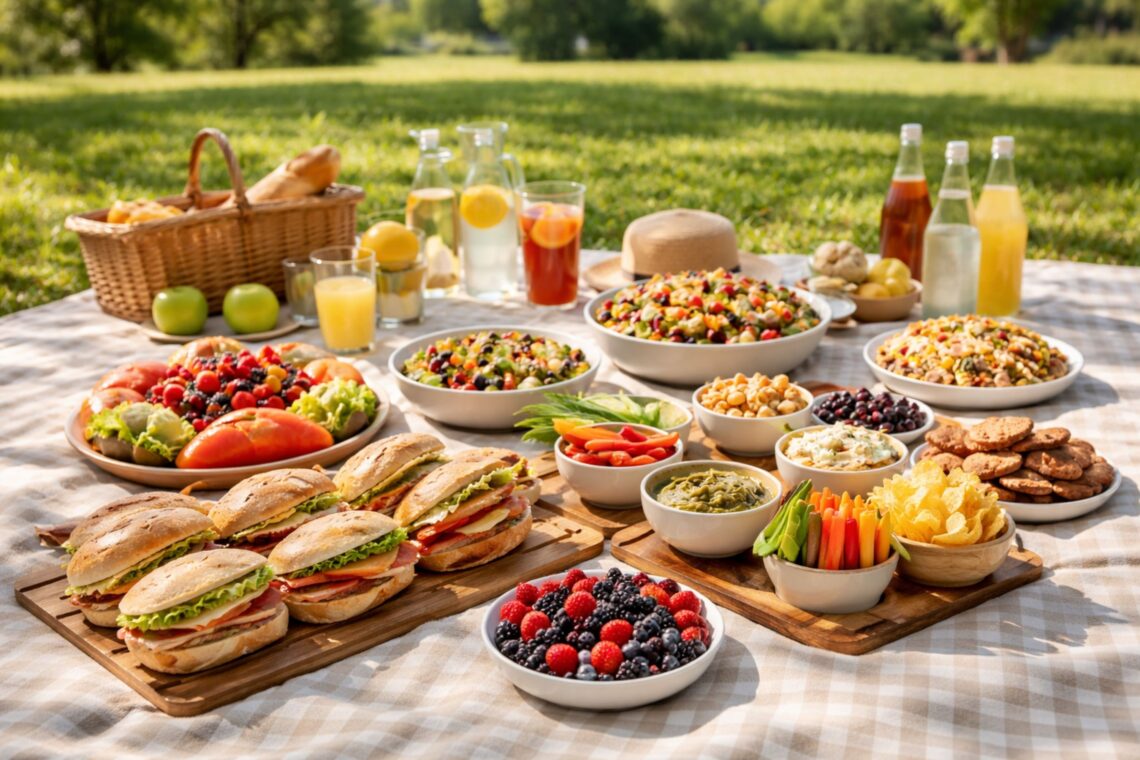
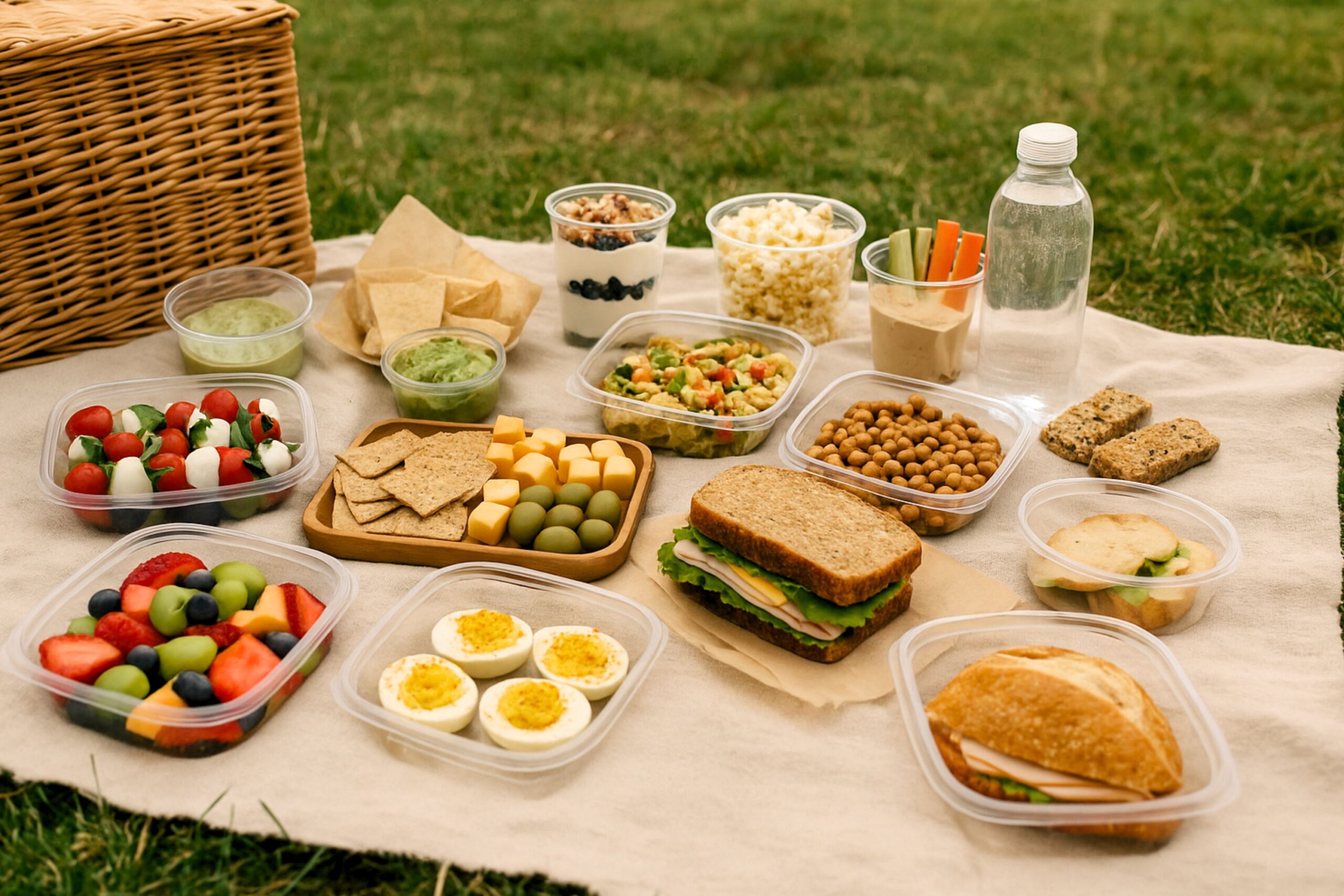
The most convenient picnic food and drinks require minimal handling. Items like bite-sized sandwiches, wraps, cut fruit, vegetable sticks, cheeses, and pre-portioned desserts help keep things organized and reduce serving time. Hydrating drinks such as water, juices, and sparkling beverages are preferred because they keep well in coolers and suit all ages. Packing foods in sealed containers and preparing individual servings makes the setup cleaner and faster, especially when there is wind, sand, or limited table space.How do you choose picnic food that stays fresh and safe in warm weather?
Food safety becomes critical outdoors, so the focus is on temperature control and low-risk ingredients. Room-temperature foods, such as bread, hard cheeses, roasted vegetables, quinoa salads, and baked goods, perform well. Perishables, such as dairy, meat, and seafood, should be stored in insulated coolers with ice packs. A practical rule is to keep cold foods below 40°F (4°C). Storing everything in airtight containers protects items from insects and keeps flavors intact.What drinks are best suited for picnics and easy outdoor serving?
Effective drink choices strike a balance between hydration and simplicity. Water, flavored sparkling drinks, iced teas, and juices remain stable in coolers and work well in both parks and on beaches. Large refillable bottles or insulated carafes keep drinks cold longer and reduce waste. When serving multiple guests, using a separate cooler for beverages speeds up access and maintains temperature more effectively than storing everything together.Which picnic foods travel well without spilling or getting soggy?
Foods with firm textures and low moisture content are most reliable. Wraps, pita pockets, roasted potatoes, couscous, grilled vegetables, and dense breads maintain structure even after transport. Using leakproof containers, layering salads with dressings on the bottom, and packing sauces separately helps preserve texture. Choosing foods that do not require reheating or last-minute assembly simplifies the entire setup.How do you prepare picnic menus for families, couples, or larger groups?
Different groups need different food and drink strategies. Families benefit from simple finger foods, easy snacks, and plenty of water. Couples often prefer curated boards, small desserts, and sparkling drinks. Larger groups require more organized layouts, labeled containers, and multiple coolers to keep items accessible. A balanced mix of proteins, carbohydrates, fruits, and refreshing drinks ensures that guests can enjoy a complete meal outdoors.What are the best ways to store, transport, and organize picnic food efficiently?
An efficient organization prevents food damage and saves time. Stackable containers, insulated bags, cooler dividers, and reusable ice packs keep items secure during transport. Packing heavier foods at the bottom and delicate items at the top helps maintain the structure. Bringing a cutting board, napkins, and separate waste bags helps keep the food area tidy throughout the picnic.How can you select picnic food and drinks for individuals with special diets or allergies?
Preparing for dietary needs requires planning separate containers and using clear labels. Gluten-free snacks, vegan wraps, nut-free desserts, and dairy-free drinks ensure everyone can participate safely. Packing serving tools for each dish prevents cross-contamination and keeps the meal inclusive. Having a few versatile foods - such as fruits, vegetables, and simple grains - makes it easier to accommodate diverse preferences.How do you integrate refreshing drinks and hydrating foods for hot-weather picnics?
Warm days require drink-centered planning. Cold water, electrolyte drinks, iced teas, flavored sparkling waters, and frozen fruits help maintain hydration. Watermelon, cucumber, grapes, and citrus segments provide natural moisture and stay cool in insulated containers. This combination of hydrating foods and chilled drinks keeps guests comfortable even in direct sun.How can picnic food and drinks create a more festive atmosphere for birthday picnics?
For birthday picnics, food and drinks play a central role in setting the tone of the celebration. Mini charcuterie boards, themed fruit cups, and individual dessert jars make the menu feel curated while remaining easy to serve outdoors. Colorful drinks - such as fruit-infused water, sparkling non-alcoholic beverages, or chilled mocktails - add a celebratory touch without requiring complex preparation. Bringing a cold-safe birthday cake or opting for cupcakes stored in airtight containers ensures the centerpiece dessert stays intact. These thoughtful food and drink choices enhance the birthday atmosphere and make the picnic feel more special.Which picnic tips help you stay prepared for sudden changes during an outdoor setup?
Effective picnic planning involves being prepared for small but common outdoor challenges. Packing a compact problem-solving kit - such as a lightweight tarp, resealable bags, absorbent towels, clips, and a simple multi-tool - helps you react quickly if the ground is damp, the wind picks up, or spills occur. Keeping items organized in separate pouches makes everything easy to reach without disrupting the setup. These preparedness-focused picnic tips ensure your outdoor space stays comfortable, stable, and functional even when conditions shift unexpectedly.FAQs
How do you calculate the right amount of picnic food and drinks per person?
A practical guideline is 1–2 main items, two side portions, and one dessert per guest, along with 500–750 ml of drinks per person. For longer picnics or hot weather, increase drink quantities and add hydrating foods such as watermelon or grapes. Planning exact portions reduces waste and keeps the menu balanced.What are the best ways to label picnic food for large groups or mixed diets?
Using removable labels or color-coded stickers helps identify dishes quickly, especially when managing vegan, gluten-free, nut-free, or dairy-free options. Labeling also reduces the need to open containers repeatedly, which helps keep food cooler and prevents accidental cross-contamination.How can you keep picnic drinks cold if you don’t have a cooler?
Wrap bottles in wet towels, freeze drinks the night before, or store them in insulated grocery bags with reusable ice packs. Placing drinks under constant shade and minimizing exposure to direct sunlight helps maintain a consistent temperature, even without a full cooler.What picnic foods work best for a no-prep or last-minute menu?
Items like cured meats, hard cheeses, hummus, crackers, pre-washed vegetables, bakery bread, and ready-cut fruit are ideal. These foods require no cooking, travel well, and allow you to assemble a complete picnic menu within minutes without sacrificing freshness.How do you choose safe picnic foods for children or elderly guests?
For young children, avoid foods that pose choking risks, such as whole grapes or hard nuts, by cutting them into smaller pieces. For elderly guests, choose soft proteins, well-cooked vegetables, and mild flavors. Offering hydrating drinks and low-sugar snacks ensures comfort and safety for both groups.Which long-lasting picnic foods are suitable for all-day outings?
Shelf-stable items, such as whole fruits, nut butters, crackers, granola bars, and baked pastries, withstand heat and retain their texture over time. For protein options, opt for smoked meats, canned fish, or beans stored in airtight containers. These foods maintain quality during extended picnics or hikes.How can you organize a drink station for a picnic to serve guests efficiently?
A drink station works best when arranged separately from food coolers. Use a stable surface, such as a tray or low table, to hold cups, napkins, and carafes. Pre-chill all beverages, add a few frozen fruit slices as natural ice, and place the station in full shade. This setup reduces cooler traffic and keeps service organized.-
How to Calculate Picnic Food Portions Per Person
Planning the right amount of food is one of the most important parts of organizing a successful picnic. Picnic food portions per person should be based on outdoor eating habits, realistic appetite levels, and the conditions in which the meal will be served. This guide explains how to calculate food quantities for savory items, fruit, sides, desserts, and drinks while accounting for factors such as weather, time of day, activity level, and dietary needs. The aim is to help you plan accurate portions that satisfy guests, reduce waste, and avoid common picnic planning mistakes. What are realistic picnic food portions per person for outdoor meals? Realistic picnic food planning is…
-
Peppermint Hot Chocolate Recipe for Cold-Weather Picnics
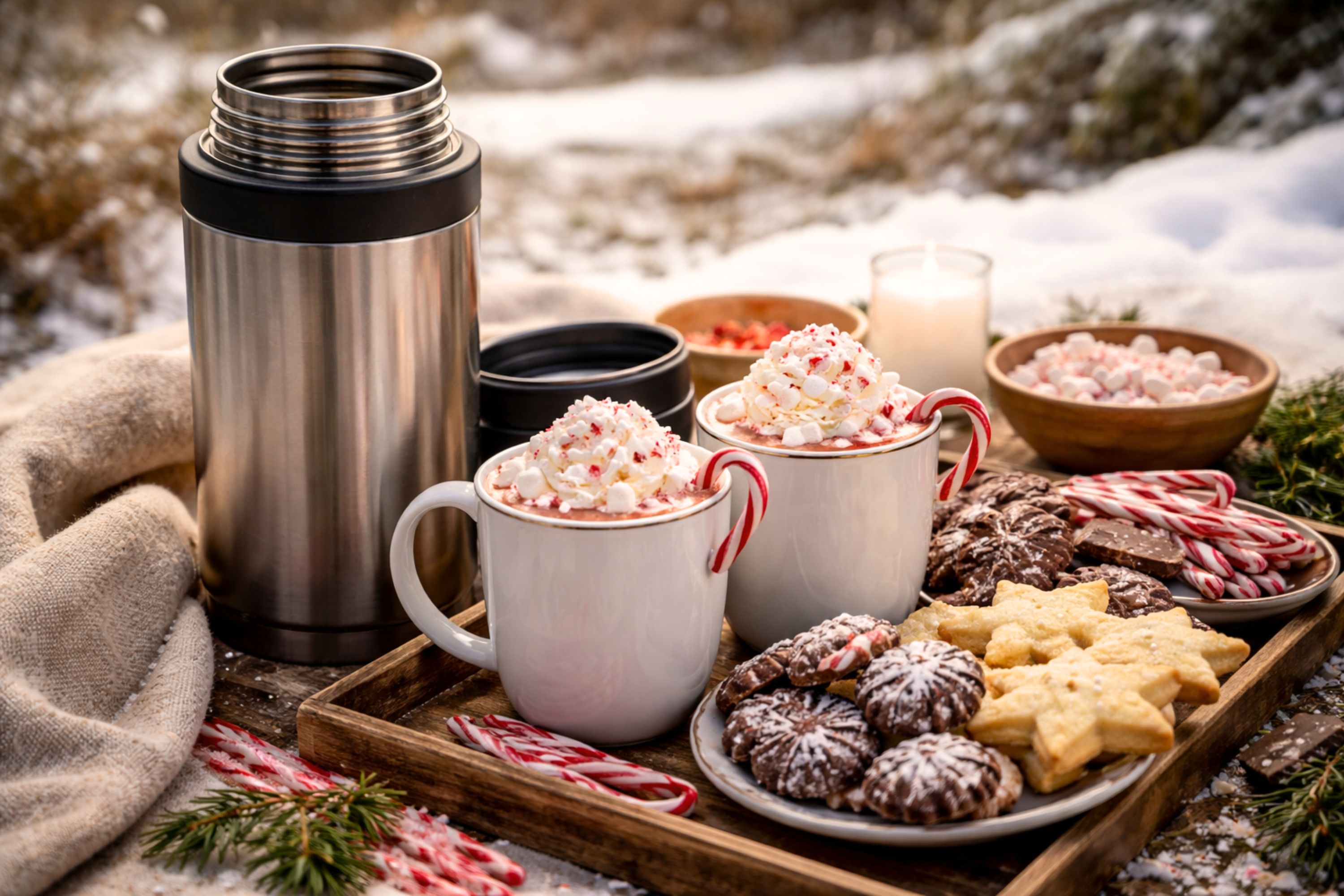
A peppermint hot chocolate recipe is a practical warm drink choice for winter picnics, late-fall setups, and cool-evening park gatherings. We explain how to prepare it efficiently, how to transport it safely, and what food pairings work best outdoors. This information benefits anyone planning a seasonal picnic – birthdays, holidays, proposals, family outings, or luxury setups – who needs a reliable warm drink that handles temperature, travel, and serving logistics. We focused on preparation, storage, timing, and pairing decisions that affect guest experience on-site. You will be able to decide portion size, thermal storage methods, dietary adjustments, and flavor options suitable for outdoor weather conditions. Peppermint Hot Chocolate Recipe (Picnic-Friendly)…
-
Hot Drink Ideas for a Picnic Outdoors: Recipes & Tips
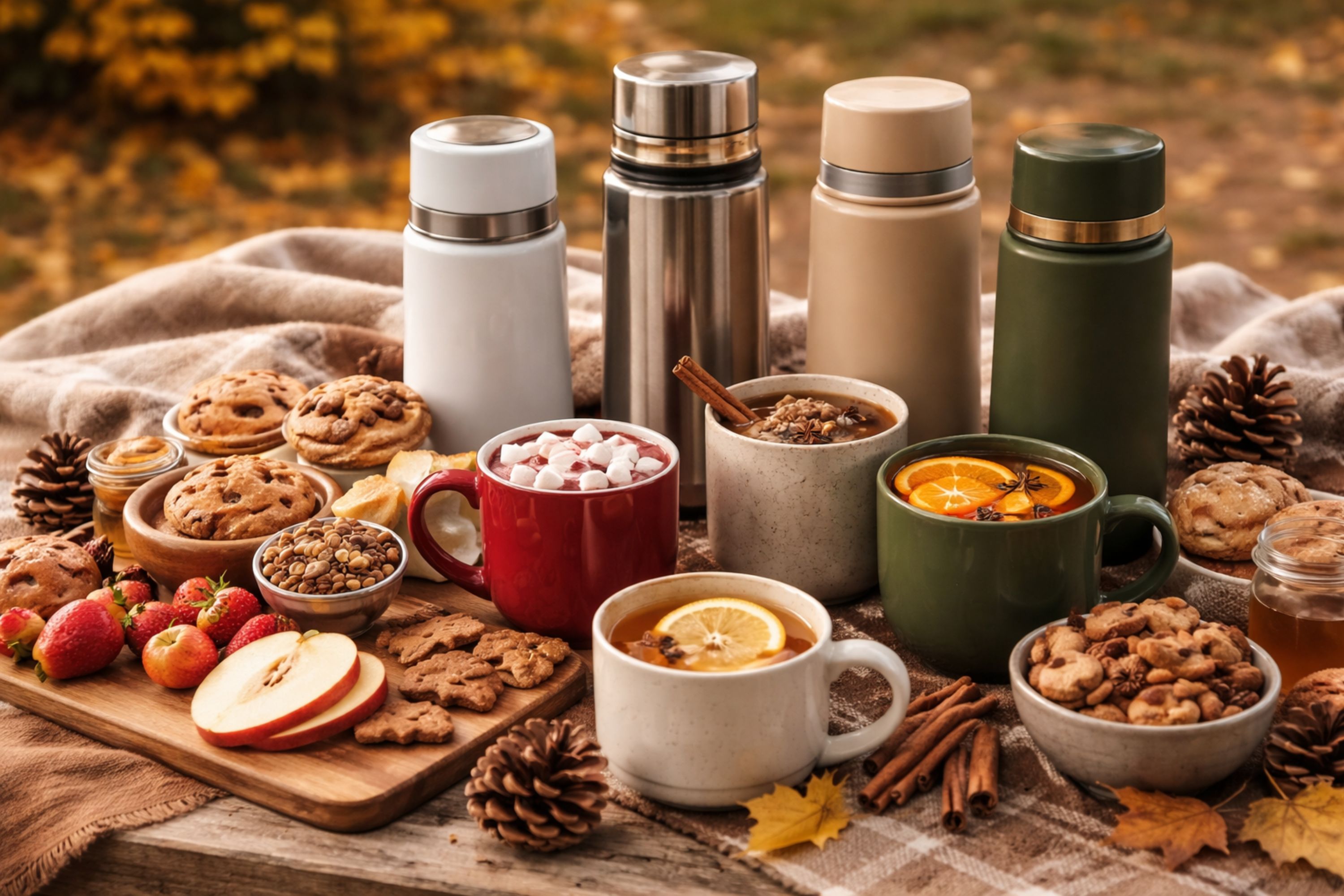
Warm beverages are among the most practical hot drink ideas for outdoor picnics because they provide comfort in cooler weather, pair well with pastries and snacks, and hold temperature in vacuum flasks for 45–90 minutes. The following twenty hot drink ideas combine short, clear preparation steps with measurements and substitutions for dairy-free, low-sugar, or kid-friendly setups. All recipes are designed to travel well in thermoses and serve two portions unless noted. Best Hot Drink Ideas for Outdoor Picnics Hot drink ideas help maintain comfort during outdoor picnics in cooler weather and pair well with common picnic foods. Warm beverages perform best when stored in insulated containers that retain heat for…
-
Food and Drinks for Picnic on Balcony
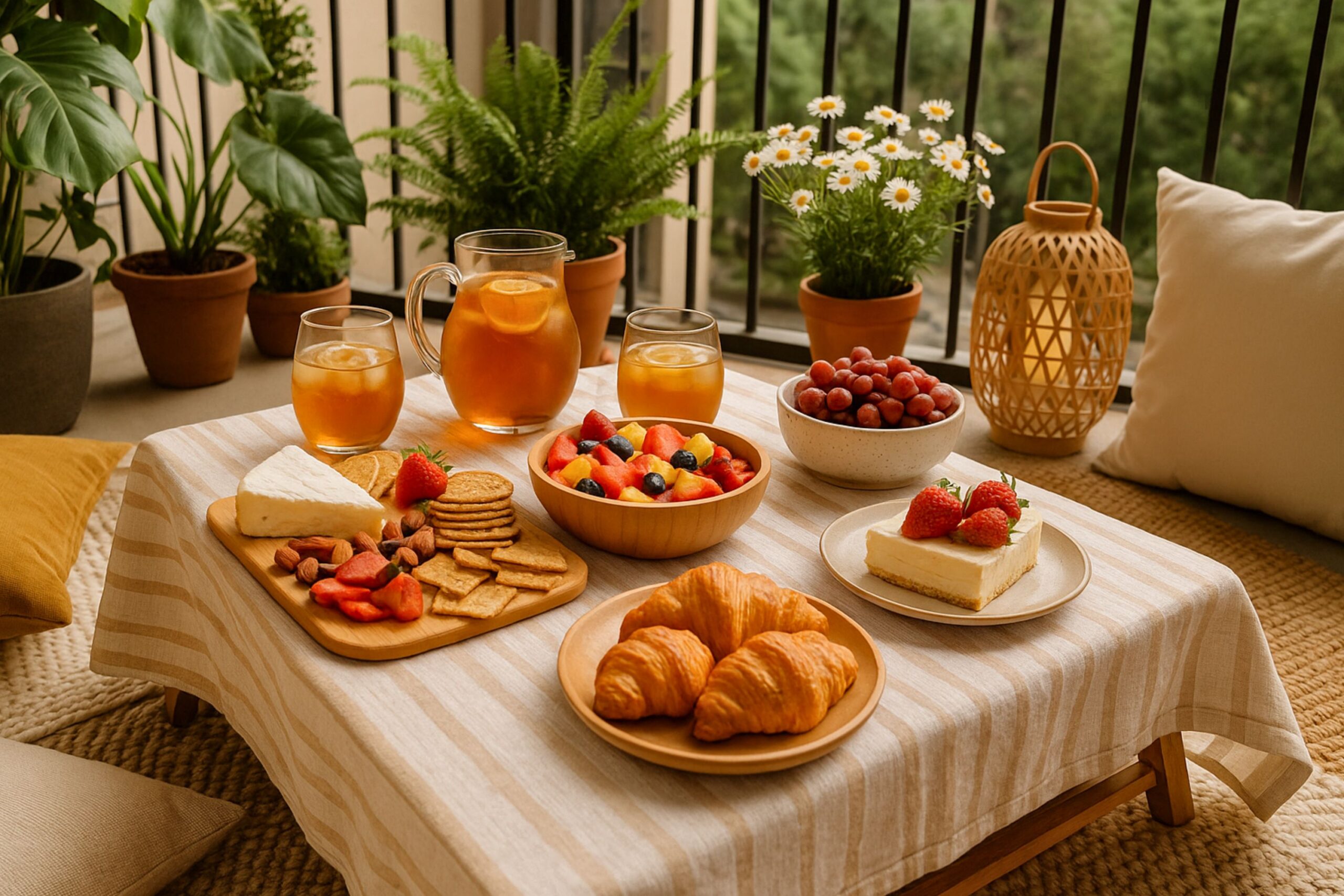
A balcony picnic works best when the food is light, easy to handle, and doesn’t need constant attention. Think of dishes that taste good at room temperature and can be served in small portions. Pasta salads, fresh wraps, and grilled vegetables are practical options. Add a few snacks like olives, nuts, or crackers for texture and variety. With just a few reusable containers, you can turn even a small space into a comfortable outdoor dining corner. The atmosphere matters as much as the food. Use authentic dishes instead of disposable ones and set everything neatly on a tray or low table. Even if your space is small, you can make…
-
Which Herbs Work Best to Flavor Non-Alcoholic Picnic Drinks
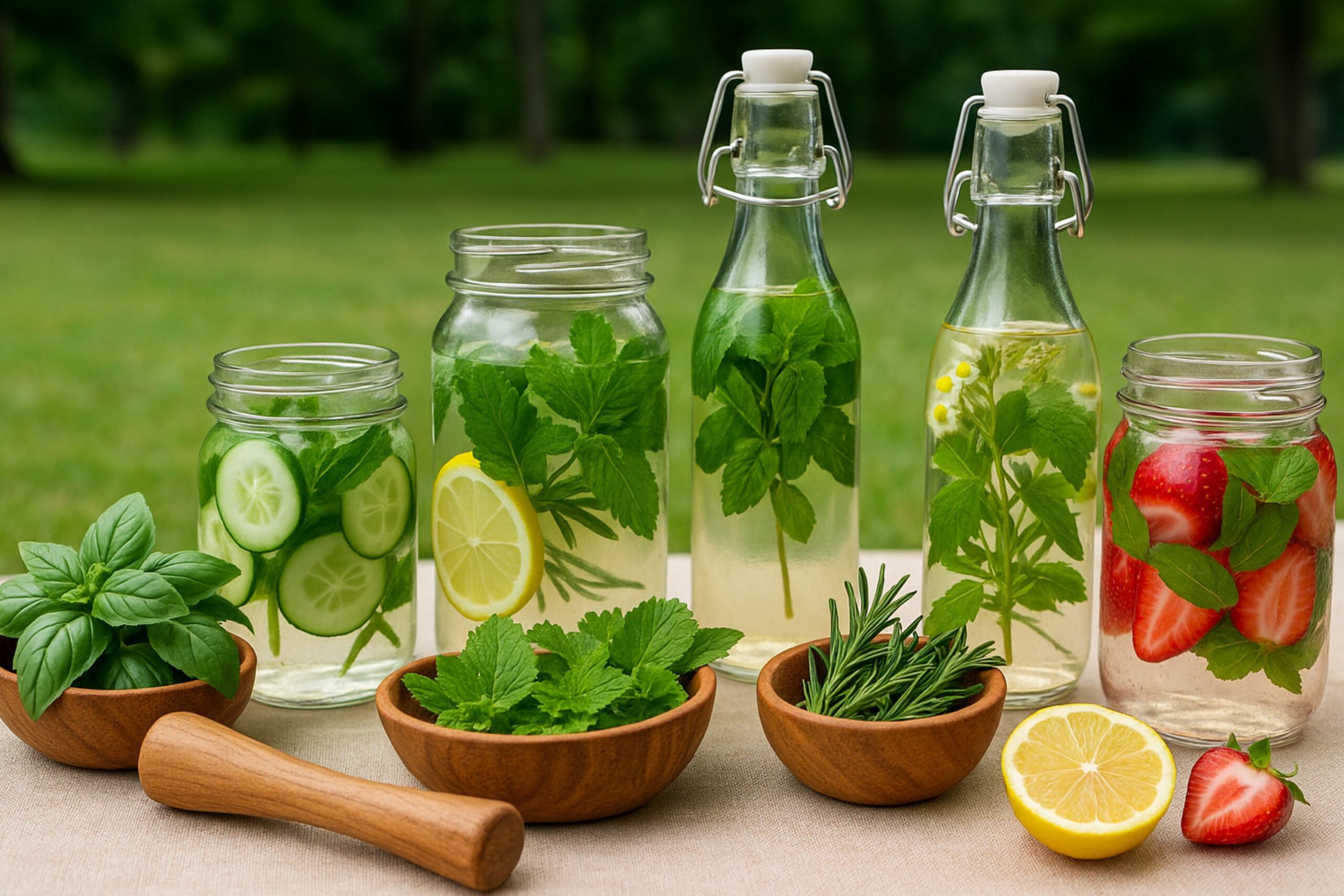
Mint, basil, rosemary, thyme, lemon balm, lemon verbena, lavender, and chamomile deliver clean, aromatic flavor to iced teas, lemonades, fruit waters, and spritzers. For the freshest taste, use rinsed, lightly bruised leaves; cold-steep delicate herbs, briefly hot-infuse robust ones, then strain. Pair mint-lime-cucumber, basil-strawberry, rosemary-lemon, or lemon balm-chamomile for balanced, refreshing drinks. Which herbs give the freshest taste to non-alcoholic picnic drinks? Fresh garden herbs bring natural aroma and layered taste to cold drinks. Using them in iced teas, fruit waters, and lemonades gives a clean flavor that artificial syrups cannot match. Mint: Classic Cooling Freshness Mint is the most popular herb for picnic beverages. Spearmint and peppermint add a…
-
Best Picnic Snacks for the Park
The best picnic snacks for park gatherings are portable, stay safe in outdoor temperatures, and need little setup. Packing a balanced mix of healthy picnic food – savory, sweet, and protein-rich – keeps everyone full and energized. Each snack below is simple to prepare, travels well in a cooler or picnic basket, and suits both group sharing and individual portions. What are the best picnic snacks to take to the park A great park picnic menu works best when you mix light, crunchy bites with a few hearty, filling choices. Below is a carefully selected list of 16 snacks that pack easily, stay fresh outdoors, and cover everything from sweet…
-
Non Alcoholic Drinks for Picnic: 15 Easy Recipes
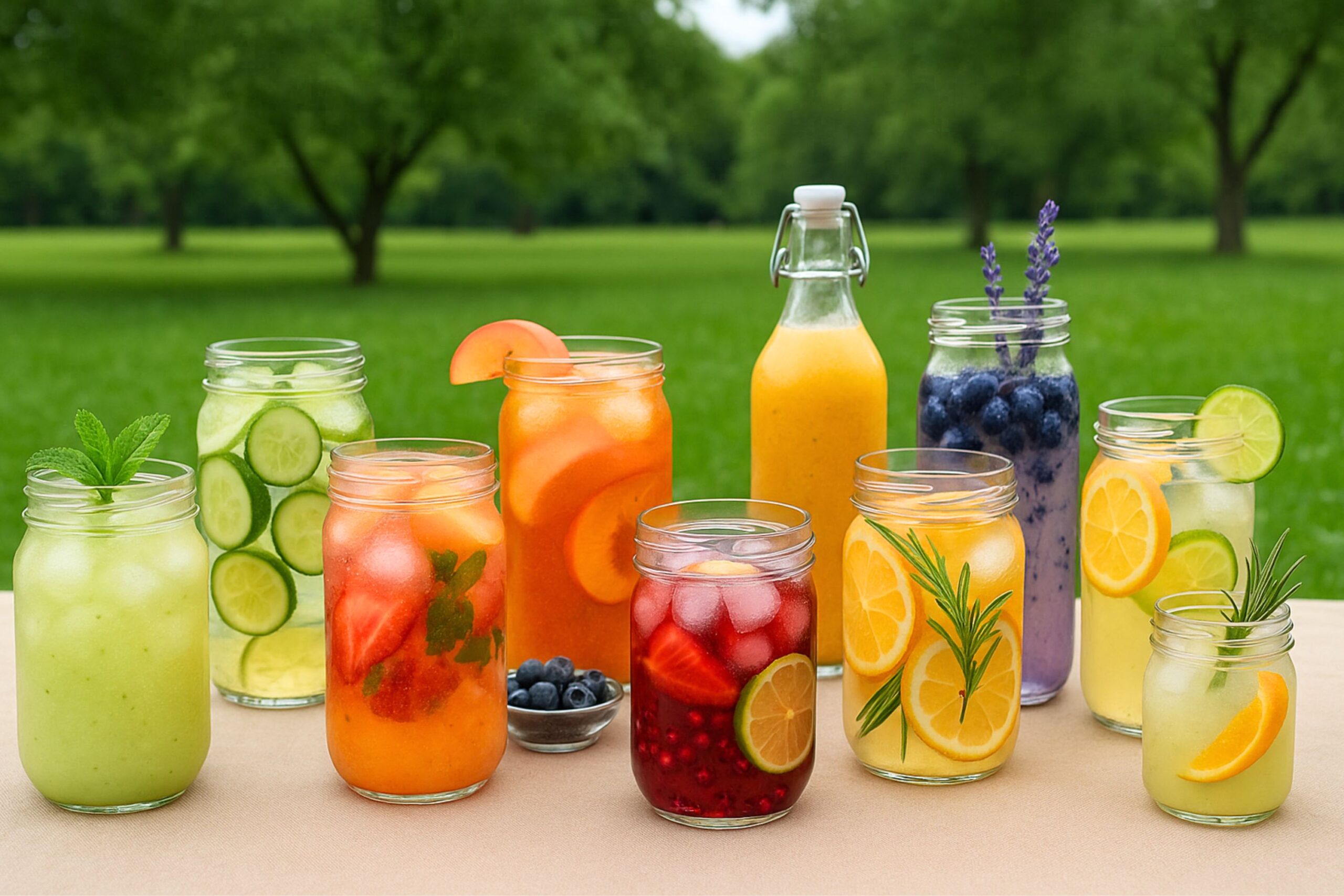
Non alcoholic drinks fit every age group and occasion, making them perfect for picnics, family outings, park lunches, and beach days. They hydrate without the drying effect of alcohol, stay stable during transport, and pair well with a wide range of foods. From fruit-infused waters to iced teas, smoothies, and mocktails, these drink recipes keep outdoor gatherings cool, refreshing, and worry-free. What are the best non alcoholic drinks to take for a picnic Make drinks a day in advance when possible, chill them thoroughly, and store in airtight bottles or flasks. Use insulated coolers with ice packs or frozen fruit cubes to keep beverages fresh. Classic Lemon-Mint Cooler This drink…
-
How to Build a Dessert-Only Picnic?
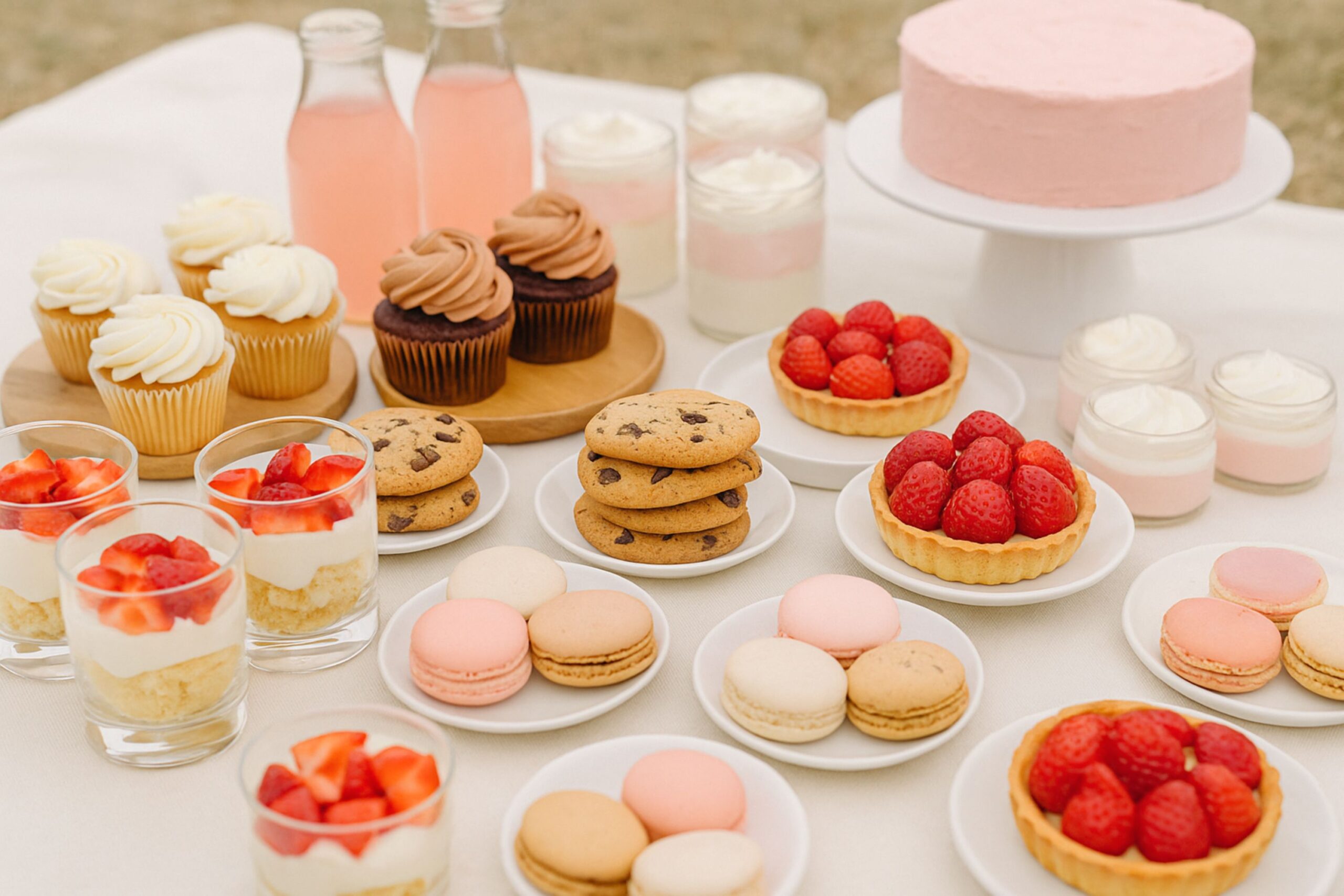
A dessert‑only picnic elevates outdoor dining by centering on sweet delights—pastries, chilled treats, fruit-led creations—shared under the sky. It’s perfect for bridal showers, birthdays, or simply indulging with friends in a sweet picnic spread. We prepared this guide with the right picnic dessert recipes and creative presentation tips to help you plan a memorable dessert-only picnic. What defines a dessert-only picnic? A dessert‑only picnic is an outdoor gathering where every menu item is a sweet treat. Unlike traditional mixes of savory and sweet, this picnic leans into dessert presentation ideas, portable dessert tips, and picnic food safety for sugary fare. Some bring ready-made pastries, others build a small dessert buffet,…
-
How to Create a Cheese Board Picnic Challenge?
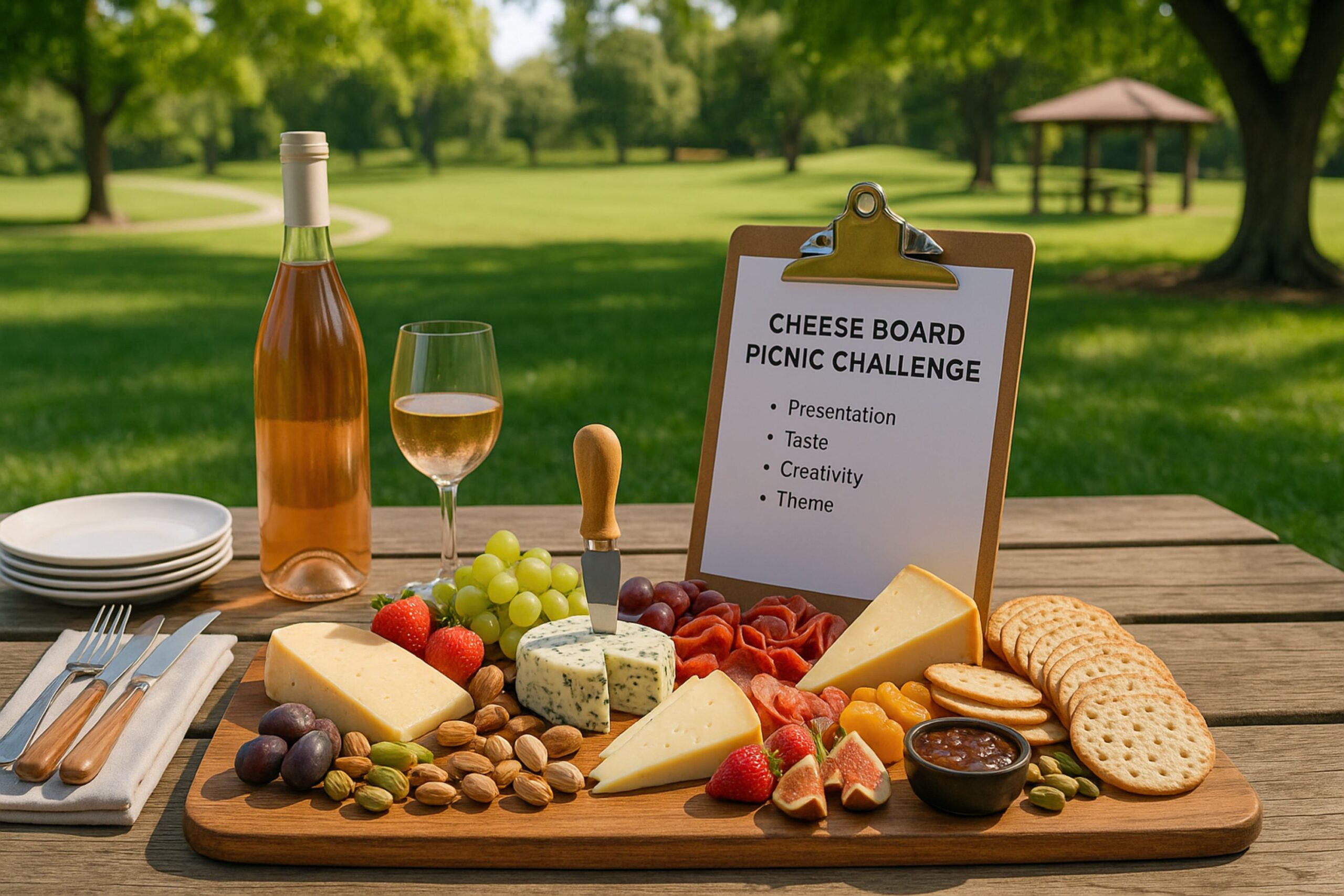
A cheese board picnic challenge is an engaging outdoor activity where participants create themed cheese boards, present them, and compete for creativity, taste, and presentation. It blends picnic fun, gourmet food preparation, and friendly competition—perfect for park gatherings, special celebrations, or team-building events. We are sharing expert hosting tips and creative inspiration to help you make your event stand out and be remembered long after the last bite. What exactly is a cheese board picnic challenge? A cheese board picnic challenge is an organized picnic event where each person or team designs and assembles their cheese platter using specific rules. Once complete, the boards are judged on presentation, taste, and…
-
Tea Party Food Ideas for Outdoor Picnics
A tea party is a light gathering that takes place in the mid-morning or afternoon, focusing on conversation, finger foods, and a selection of teas. It can be styled formally at a long garden table or casually as a picnic in the park. Outdoor tea parties are perfect for birthdays, showers, holidays, or simply spending quiet moments with friends and family. Once you’ve chosen the spot—your backyard, a shaded patio, or a local park—build a menu that’s easy to prep, transport, and enjoy in warm weather. Then comes the menu: think finger-friendly food, sweets that travel well, and chilled drinks instead of hot teapots. Whether you’re celebrating a birthday, a…