Guides
Picnic Guide
A picnic guide gives you a clear framework for planning an outdoor meal that feels organized, comfortable, and safe. It helps you make practical decisions about where to set up, what foods and drinks travel well, and how to create stable seating in parks or on beaches. A picnic guide also supports planning for different occasions, including birthday picnics, family outings, and casual gatherings, by focusing on simple steps that reduce stress and prevent common outdoor problems. A picnic guide helps you prepare a setup that stays steady, comfortable, and enjoyable from arrival to cleanup.Where should your planning start when using a picnic guide?
Planning starts with three core elements: location, timing, and guest count. These decisions influence everything from food choices to shade options. Choosing a shaded or semi-shaded area prevents overheating and keeps drinks stable. Checking park rules, available restrooms, and parking helps avoid logistical surprises. Timing is equally essential - late afternoon usually provides the best combination of light, temperature, and comfort.How does a picnic guide help you choose food and drinks that work outdoors?
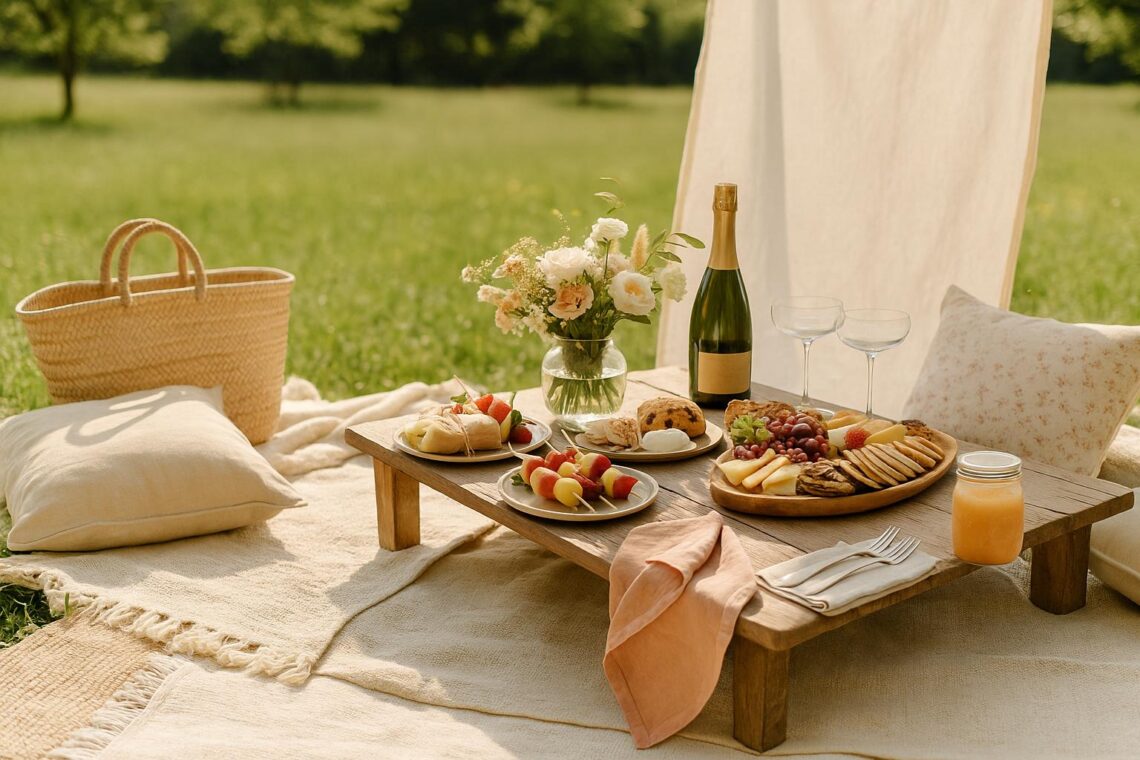
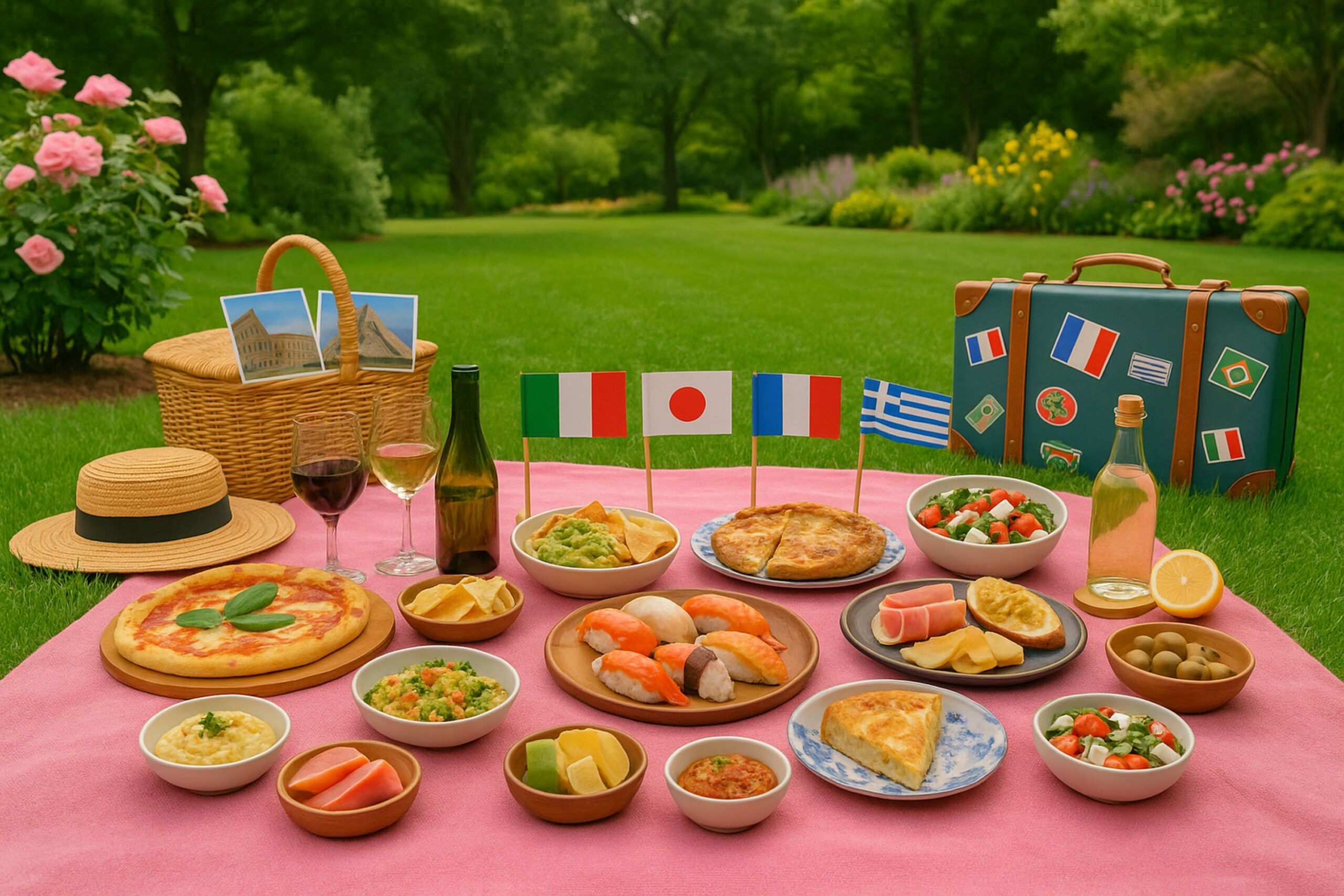
A picnic guide emphasizes food and drinks safety and easy serving. Foods that travel well, such as wraps, firm salads, fruits, cheeses, and flatbreads, reduce the risk of spills or texture changes. Drinks stay freshest in insulated coolers with dedicated space, ensuring the temperature remains constant. Using airtight containers and portioning items ahead of time keeps the serving area organized and limits outdoor handling.What setup strategies does a picnic guide recommend for stable seating and comfort?
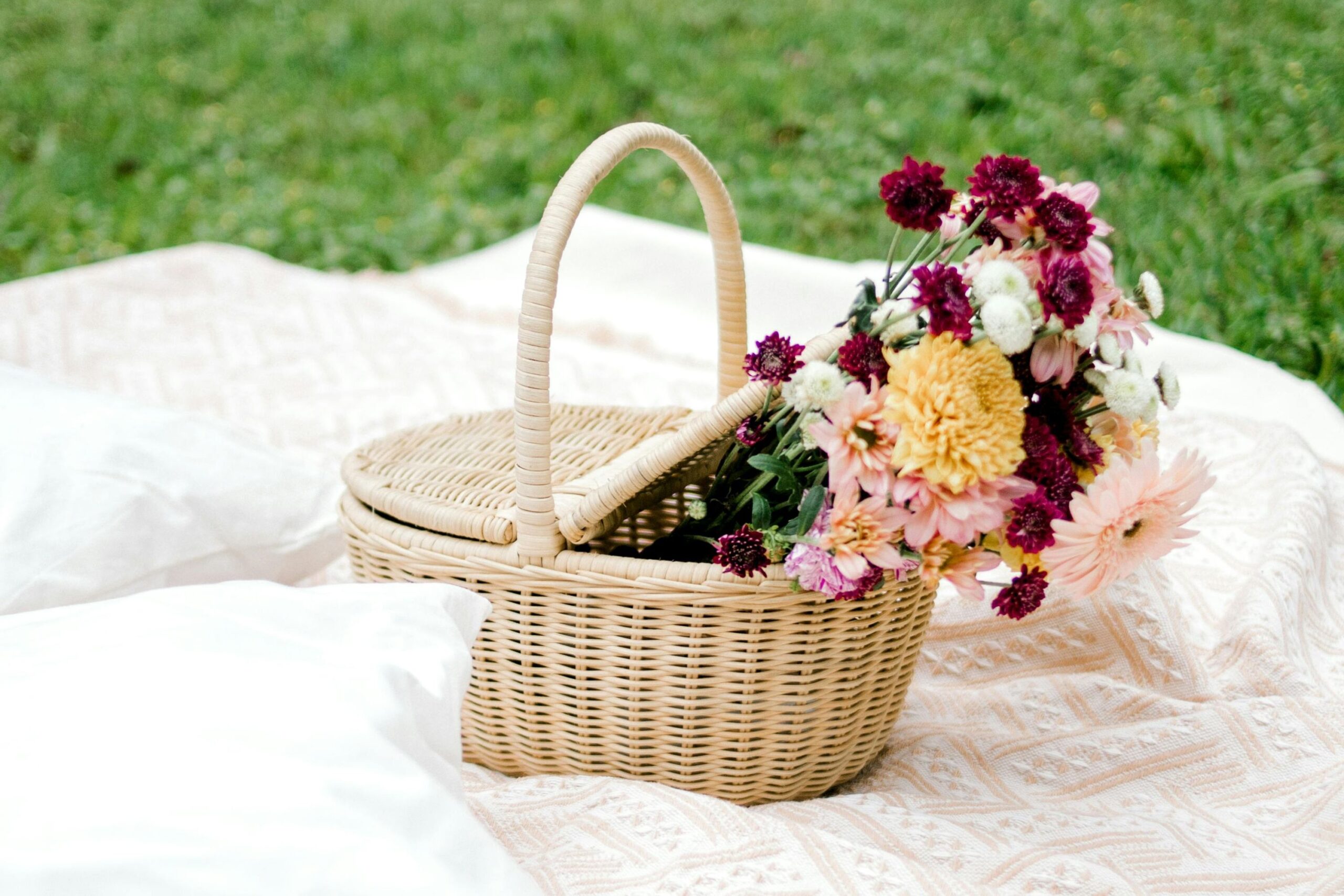
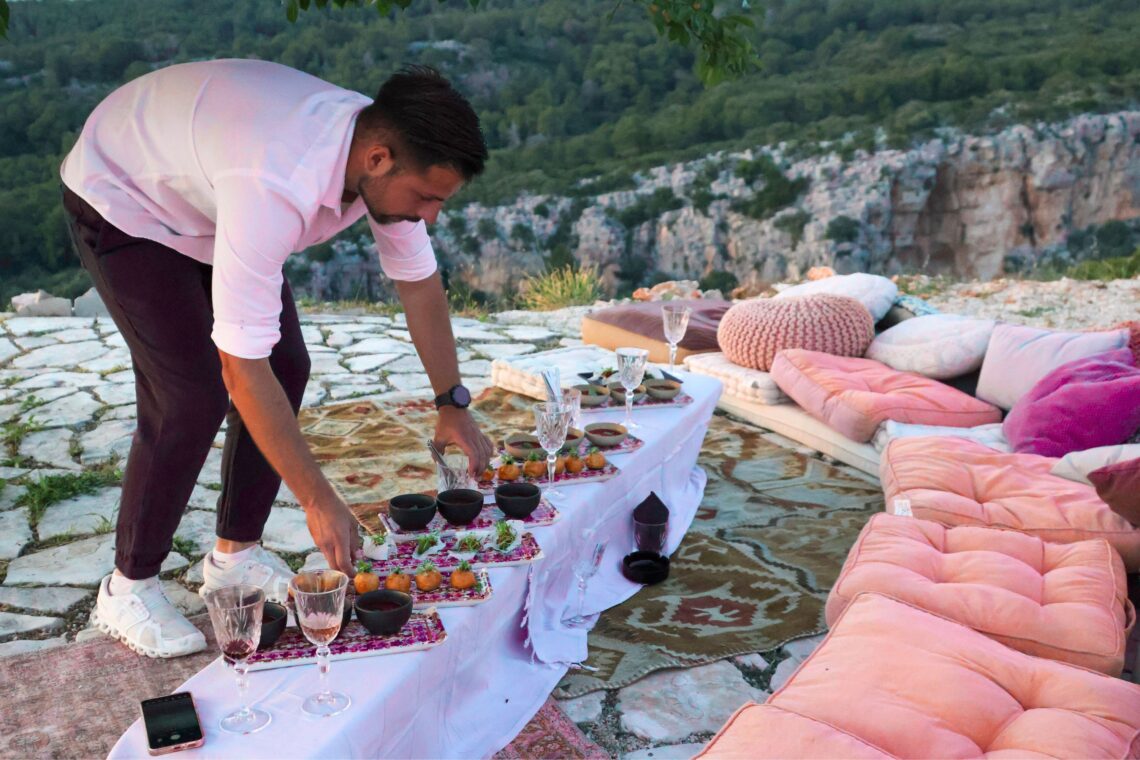
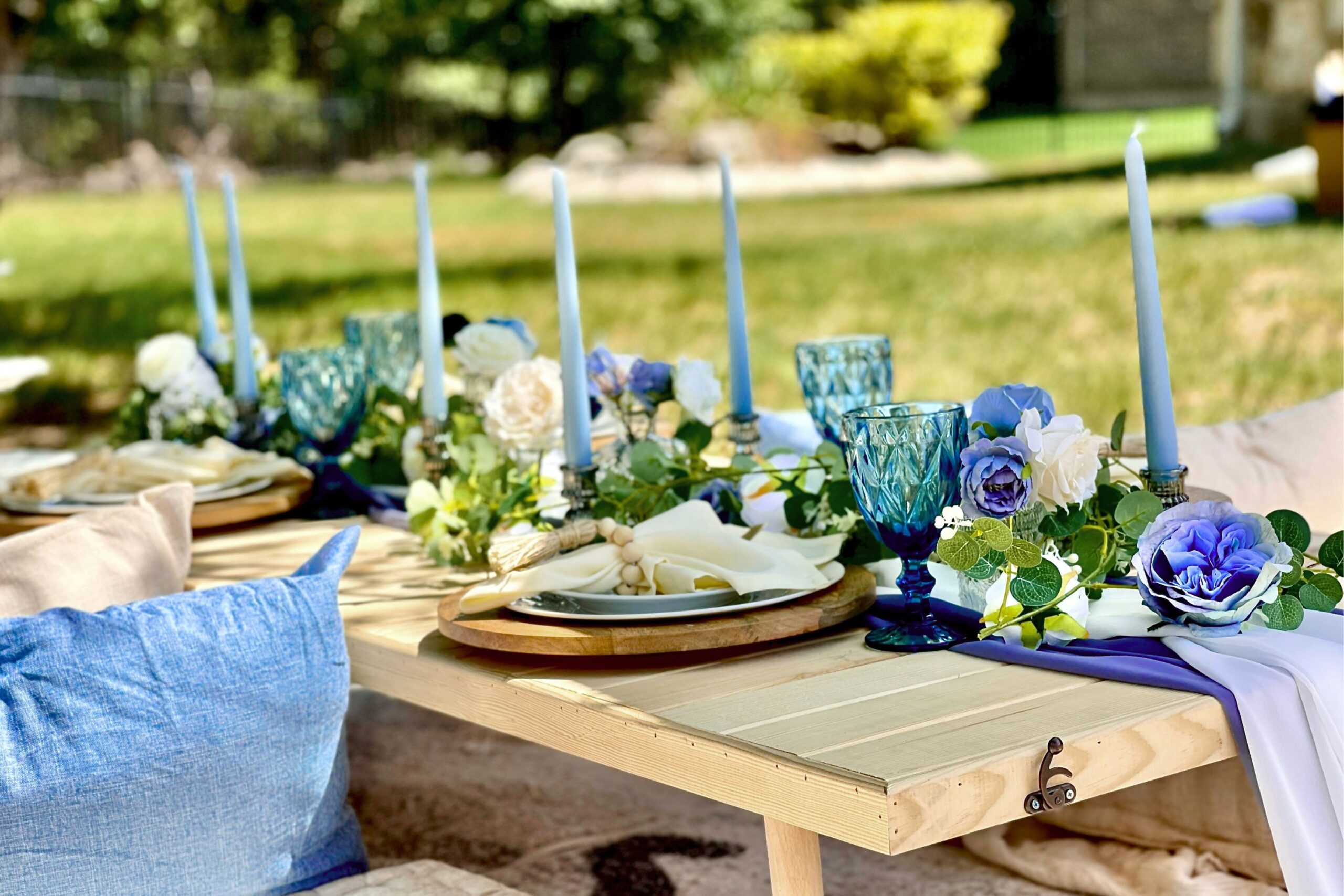
A reliable setup uses layered blankets, ground mats, or low tables to create a stable surface. Portable cushions enhance comfort for extended stays, while weighted décor helps prevent movement on windy beaches. Shading using umbrellas or compact canopies helps maintain a safe temperature for both food and guests. Comfort items such as wipes, napkins, sunscreen, and bug-repellent wipes ensure guests stay relaxed throughout the outing.How can a picnic guide help you prepare for unexpected weather conditions?
A preparedness-based picnic guide encourages carrying a small kit designed for quick adjustments. A tarp, clips, elastic cords, and resealable bags protect your seating and food area from wind or damp ground. Absorbent towels help manage spills, and a simple multi-tool solves most small issues. Having these items ready allows you to adapt instantly without interrupting the experience.What additional considerations does a picnic guide recommend for families, couples, or groups?
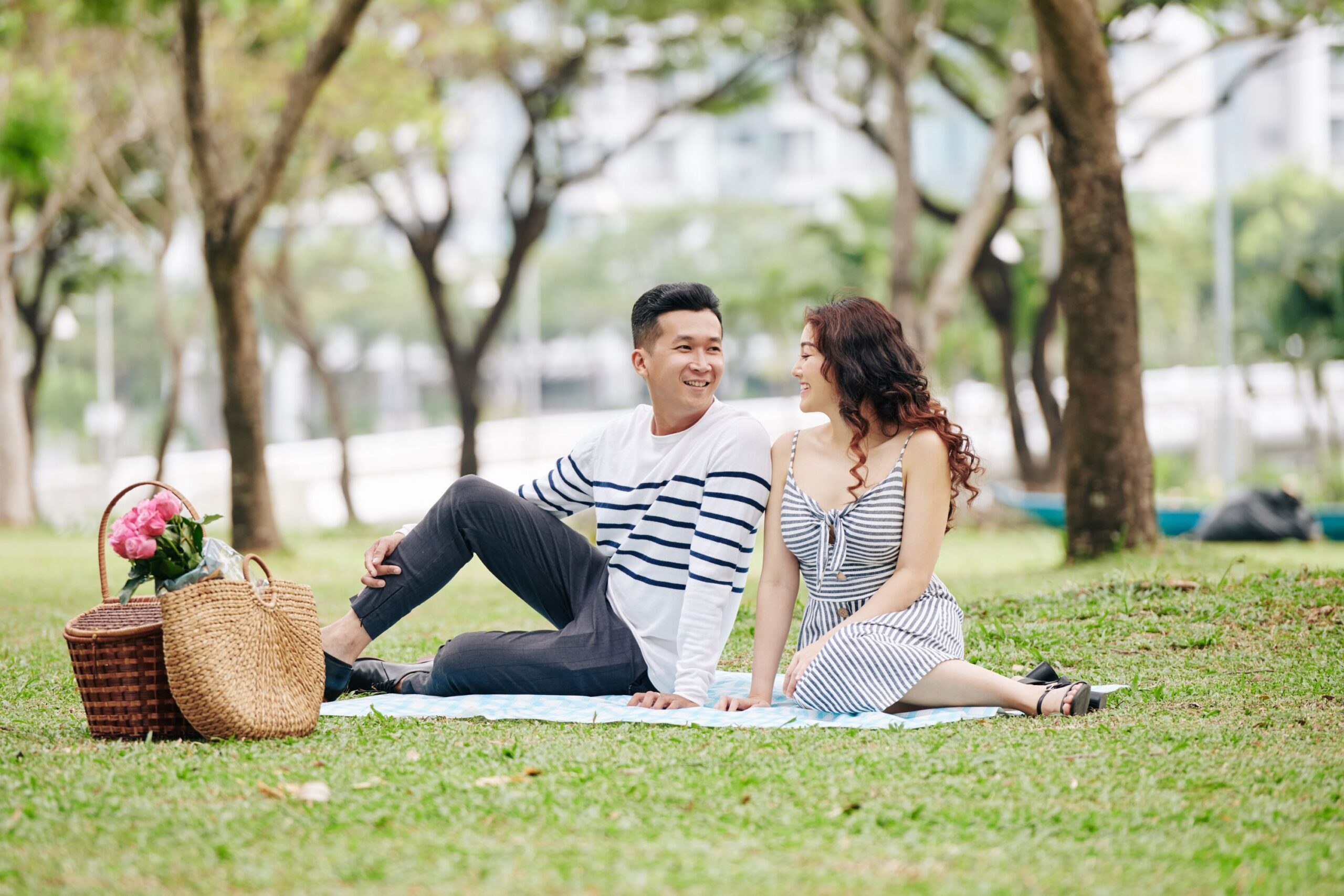
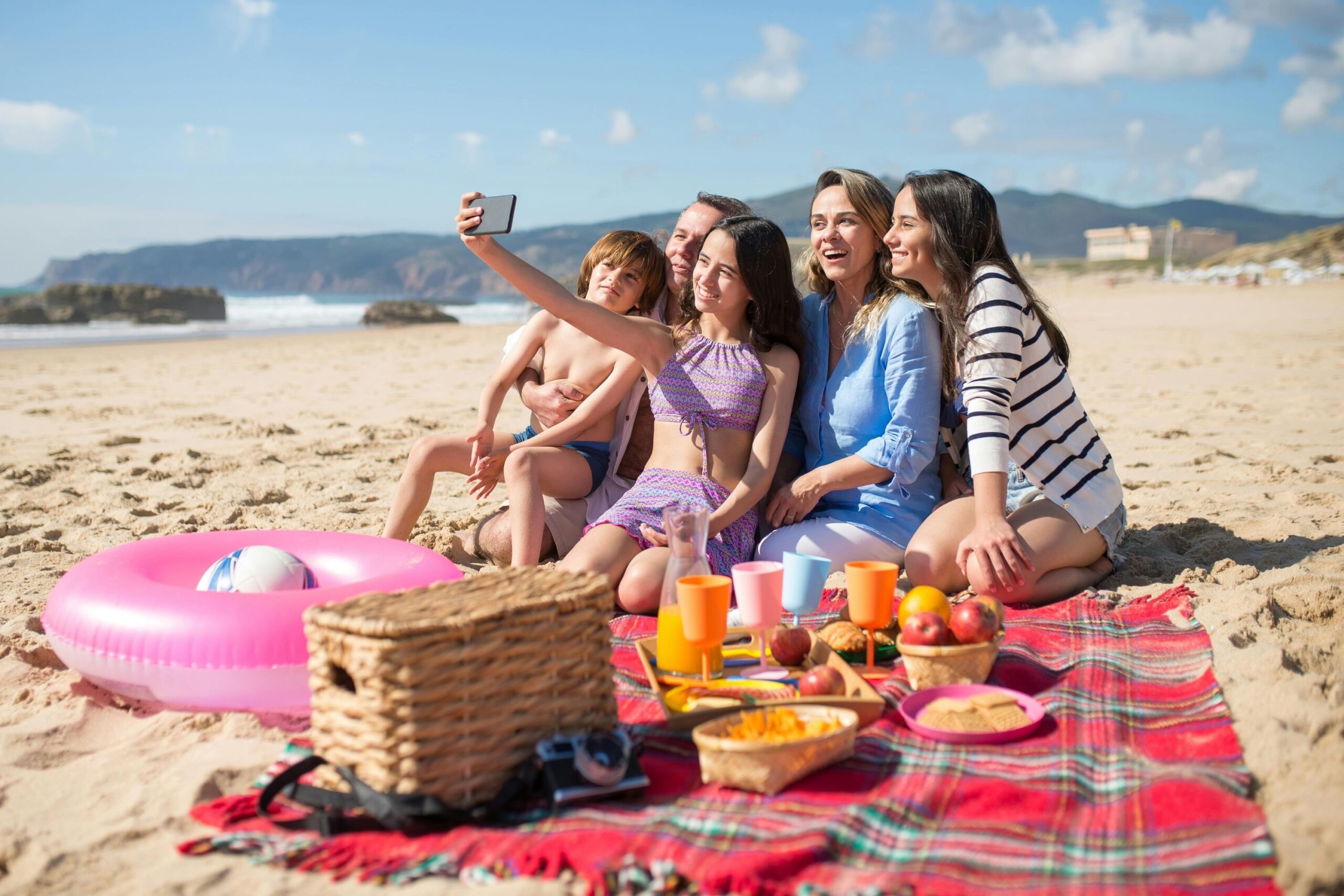
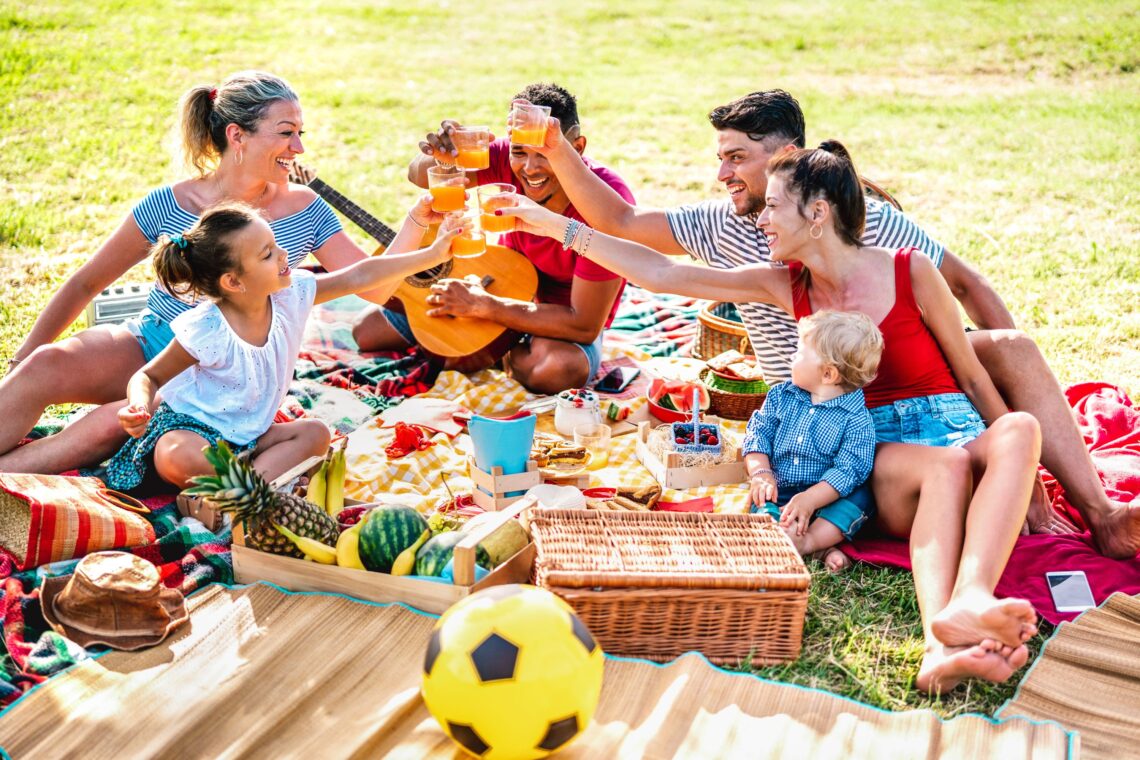
A picnic guide highlights different needs depending on who attends. Families benefit from finger-friendly foods, shade, and hydration. Couples often prefer curated tableware, a more aesthetic layout, and individually portioned desserts. Larger groups require efficient serving areas, multiple coolers, and foods that are easy to share. Adapting the setup to the audience ensures comfort and convenience for everyone.How can a picnic guide help you plan a birthday picnic with better structure and comfort?
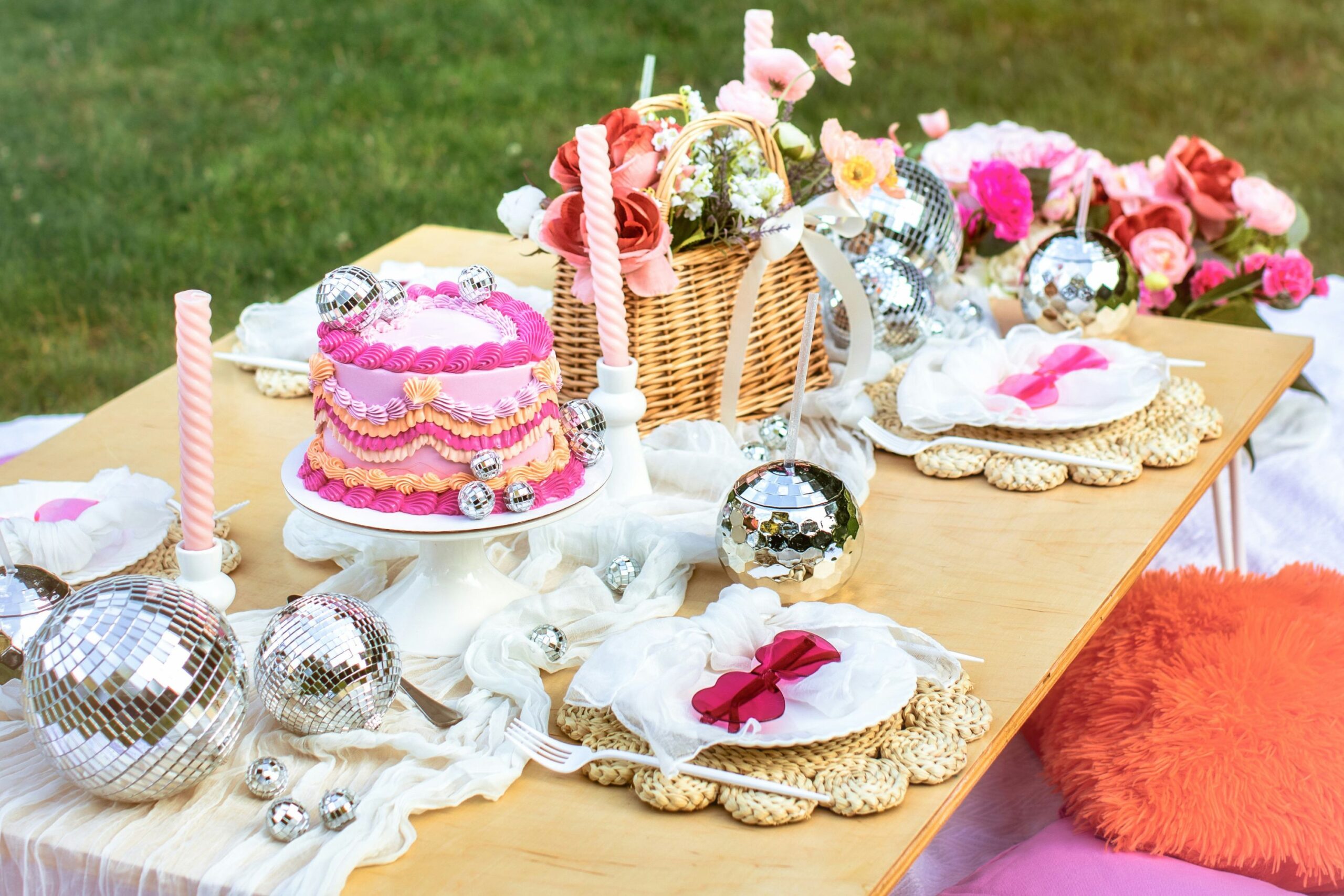
A picnic guide brings order to birthday planning by focusing on timing, food safety, and setup stability. Outdoor picnic birthday celebrations require dependable shade, simple serving areas, and food that stays intact during transport. Individually packed desserts, coordinated tableware, and sturdy seating help create a festive atmosphere, even in less-than-ideal indoor conditions. Planning hydration, cooler space, and quick-access essentials keeps the celebration organized and comfortable for all ages.Which picnic tips make the overall setup more reliable and stress-free?
The most effective picnic tips focus on preventing common outdoor issues before they happen. Layering the ground setup, packing items in clear categories, and preparing a small troubleshooting kit help you maintain control even when conditions shift. Using insulated storage, keeping drinks separate from food, and choosing containers that open easily outdoors ensure every part of the picnic stays manageable. These practical picnic tips reduce stress and create a smoother experience from arrival to cleanup.How can a picnic guide help you include activities without complicating the setup?
Activities remain simple when chosen for the environment. Cards, a frisbee, coloring pages for kids, or a portable speaker for background music all fit easily into a picnic bag. Selecting low-effort activities keeps the outing relaxed and prevents the need for bulky equipment, keeping the focus on comfort and ease.FAQs
What is the easiest way to plan a picnic when you have limited time?
Choose foods that require no preparation - such as cheese, fruits, crackers, and bakery bread - and use a cooler backpack to carry everything quickly. Focusing on essentials keeps the setup efficient.How early should you arrive at a park for a good picnic spot?
Arriving 20–30 minutes before your planned time helps you secure shade and space, especially on weekends or at popular beaches and parks.What should you do if your picnic location has no shade?
Bring a compact umbrella, canopy, or UV umbrella. Shade is essential for comfort and for keeping food and drinks cool.How do you keep your seating area clean throughout the picnic?
Use a rug or mat as the base, keep wipes accessible, and assign a small bag for trash so items do not accumulate around the picnic setup.What are the best emergency items to pack for unpredictable conditions?
A tarp, elastic cords, resealable bags, a towel, sunscreen, and a small multi-tool can solve most unexpected issues with wind, spills, or uneven ground.How can you organize food so guests can serve themselves efficiently?
Use containers with wide openings, group items by type, and separate drinks from food. This prevents crowding and maintains a clean layout.What is the safest way to handle picnic leftovers?
Seal leftovers in airtight containers, store them with fresh ice packs, and discard any food that has been unrefrigerated for longer than two hours, especially in warm weather.-
Best Beach Picnic Ideas for Every Season, Group, and Mood
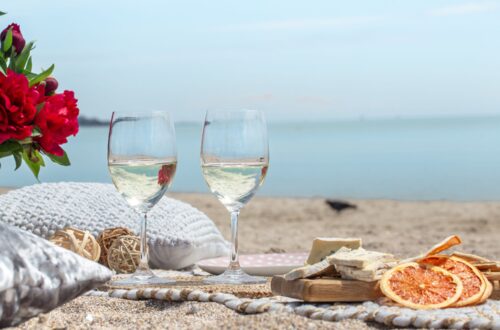
A beach picnic is a casual outdoor meal on the sand that combines simple food, a comfortable setup, and the relaxed atmosphere of the beach, whether you’re by yourself, with a partner, or in a group. Beach picnic ideas help you determine what to pack, how to set up the experience, and how to tailor it to your plans, such as a laid-back brunch, a family outing, or a sunset dinner. They cater to a wide range of setups: quick solo lunches, relaxed dates, family-friendly gatherings, group hangouts with games, creative themes like paint-and-sip or build-your-own meals, and quiet moments like journaling or sunset meditation. Each one is designed to…
-
Luxury Brunch Picnic Ideas for Every Season and Celebration
A luxury brunch picnic blends the casual charm of dining outdoors with the elegance of thoughtful styling, curated menus, and intentional design. Instead of booking a restaurant or hosting a standard backyard gathering, more people are opting for elevated picnic-style brunches that feel personal, beautiful, and relaxed. This blog explores exactly how to make that happen. Picnic-Style Luxury Brunch: Take It Outside When the weather’s kind and the mood is right, hosting a luxury brunch picnic is a brilliant way to bring people together. It’s more than just eating outdoors—it’s about combining thoughtful styling, fresh food, and relaxed company in a beautiful open-air setting. Brunch Picnic Setups That Feel Effortless…
-
How to Choose the Best Luxury Picnic Service for Your Needs
Planning a luxury picnic sounds like the perfect idea—until you start comparing services and realize how much goes into making it special. From hidden fees to copy-and-paste decor, not every company delivers the quality it promises. That’s why it’s important to know how to choose the best luxury picnic service for your needs. The right provider will handle every detail—from setup and styling to food and comfort—with professionalism and care. To find that level of service, you need to define what you want, ask the right questions, and recognize the features that separate a basic picnic from a truly high-end experience. This guide will walk you through the key criteria…
-
How Luxury Picnic Services Improve Every Event Experience
Planning an outdoor gathering today means creating more than just a place to sit and eat. It’s about designing an experience that feels thoughtful, seamless, and memorable. Proposals, milestone birthdays, and corporate events all require a level of polish and personalization that exceeds DIY setups. That’s where luxury picnic services make a real impact. These professional services don’t just enhance the look of your event—they improve every part of the experience. From the moment guests arrive to the final detail of clean-up, luxury picnic setups offer comfort, style, and convenience. If you’re looking for ways to elevate your event without the stress, here’s how luxury picnic services improve the quality,…
-
What Do Luxury Picnic Services Include?
Luxury picnic services include everything needed to create a beautifully styled, stress-free outdoor experience. From full setup and custom decor to gourmet food, comfortable seating, and complete cleanup, every detail is taken care of for you. You’re not just getting a picnic—you’re getting a curated event that feels personal, polished, and easy to enjoy. Whether it’s for a romantic date, a birthday, or a group celebration, here’s what these services offer and why they’ve become such a popular choice for modern outdoor gatherings. What Do Luxury Picnic Services Include? Most people don’t realize just how much is involved until they book one. Luxury picnic services include more than just a…
-
Are There Any Malibu Beaches Suitable for Picnics with Kids?
Families often wonder whether Malibu, with its dramatic coastline and upscale reputation, offers any spots that are practical for a picnic with kids. The good news is that it does—if you know where to look. Beyond the rocky cliffs and surf-heavy beaches, there are quieter, more accessible areas that are perfect for family outings. This blog highlights the best Malibu beaches that are safe, convenient, and enjoyable for families with children. From calm waters and soft sand to restrooms, shaded areas, and picnic-friendly spaces, you’ll find everything you need to plan a fun and relaxing day at the beach with your little ones. Why Malibu Works for Family Picnics While…
-
How to Turn Solo Picnics into an Annual Tradition
Have you ever taken yourself on a picnic? No distractions, no conversations, just you, a blanket, and the calming rhythm of the outdoors. If that sounds like a dream, you’re not alone. Learning how to turn solo picnics into an annual tradition might just be one of the most valuable self-care gifts you give yourself. It’s not only about relaxing; it’s about cultivating a peaceful habit that anchors you every year. Creating personal traditions is a powerful way to reconnect with yourself, reflect on your goals, and recharge your spirit. And few traditions are as easy, joyful, and inexpensive as a solo picnic. This blog guides you through making it…
-
What Time of Year Is Best to Visit the Beaches in Malibu for a Picnic?
If you’re planning a beach getaway to Malibu, timing your trip just right can completely change your experience. From sunny skies to empty coastlines, knowing what time of year is best to visit the beaches in Malibu is more than a weather forecast—it shapes your entire picnic, whether you’re packing for kids, inviting someone for a romantic outing, or just seeking a peaceful place to relax and eat by the ocean. What Time of Year Is Best to Visit the Beaches in Malibu? Malibu is one of those places that sounds like paradise all year round. And in many ways, it is. But the best time to visit the beaches…
-
Best Beaches in Malibu for Picnics, Relaxation, and Coastal Views
When you picture the best beaches in Malibu, the image is almost dreamlike—golden sands, rolling surf, and cliffs that seem to glow under the Californian sun. Malibu isn’t just a place on a map; it’s an experience stitched together by ocean breezes, coastal trails, and secret coves waiting to be explored. Whether you’re hoping for a lively beach day, a quiet afternoon picnic, or a stunning sunset backdrop, Malibu offers a perfect stretch of coast for you. Before you plan your seaside outing, it’s good to know which Malibu beaches stand out and what makes each one special. Some are famous for their celebrity sightings, while others feel like hidden…
-
Elegant Golden Birthday Picnic Ideas for a Luxurious Outdoor Celebration
If you’ve ever wondered what a golden birthday is and how to celebrate it, you’re not alone. A golden birthday happens when your age matches the day you were born. If you turn 27 on the 27th, that’s your golden birthday. And since it only happens once, it’s worth making it extraordinary. A luxury picnic is one of the most beautiful and memorable ways to mark this rare occasion. It combines everything a golden birthday should be: unique, personalized, and unforgettable. Whether planning for yourself or surprising someone else, we covered elegant themes, stunning setups, and golden birthday picnic ideas that feel straight out of a dream. What Is a…