How to Choose the Best Picnic Location
A great picnic starts with the right location. The spot you choose affects how comfortable the setup is, how relaxed your group feels, and how enjoyable the day is.
To find a good location, begin by deciding what kind of picnic you want—quiet and private, social and spacious, or quick and convenient. Then focus on nearby parks, beaches, or green spaces that match those needs.
We are sharing best picnic planning tips on how to find and choose a picnic spot that works for your plan, your guests, and your setup.
1. Match the Location to Your Picnic Type
Romantic
Look for a place that is peaceful, scenic, and semi-private. A quiet park corner, lakeside bench, or hidden garden nook creates the perfect setting for a two-person setup. Aim for low foot traffic and shade. You’ll want room for a blanket, space to stretch out, and a good view—bonus if you catch the sunset.
Group or Family
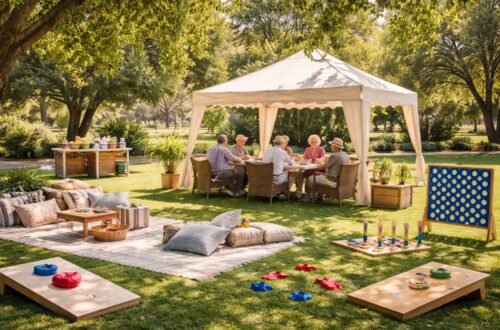
You’ll need more space and a more structured approach. Find a park with open lawns, grills, picnic tables, restrooms, and nearby parking. Shaded areas are essential, especially with kids or older guests. This becomes especially relevant when setting up senior picnic games, where access to shade, flat ground, and nearby amenities directly affects how usable the space will be.
Bonus features, such as splash pads, sports fields, or a playground, will help everyone stay entertained.
Solo or Casual
For a quick escape or to plan a solo picnic, stay close to home or work. Small public parks, rooftop greens, or grassy spaces with a view make excellent low-effort options. Choose spots with benches or shady trees and minimal foot traffic.
2. Check Accessibility Before You Go
Parking and Transit
How will you get there—and how far will you carry everything? A good picnic spot is easily accessible. Look for places with public parking nearby or a drop-off zone. If you’re relying on transit, map out your stop and walking distance ahead of time.
Pathways and Mobility
Skip uneven trails, steep slopes, or remote beaches unless your group is ready for the trek. Look for flat, grassy spaces or paved areas—especially if you have guests using strollers or mobility aids.
3. Scout the Terrain
Before committing, think about the surface. Is it dry? Flat? Shaded? Avoid spots with lumpy ground, high winds, or no tree cover. If the grass is sparse or the area is sloped, laying out a blanket becomes uncomfortable fast.
Bring a tarp or woven mat if you’re unsure.
4. Look for Useful Amenities
Must-Have Features
Clean restrooms, trash bins, and nearby water access should be high on your checklist. These basics make setup, cleanup, and staying comfortable much easier.
Good-to-Have Extras
Picnic tables, BBQ grills, drinking fountains, covered shelters, and reservable pavilions are worth hunting for, especially for extended or group gatherings. Some parks even offer power outlets and lighting, making them great for early evening events.
5. Choose a Location with the Right Atmosphere
Scenery
Whether you prefer forest shade, lakeside breezes, or mountain views, the setting affects your picnic more than you’d think. Go where the view feels refreshing and helps people relax.
Noise and Crowds
If you want peace, avoid parks near playgrounds or main roads. For a more social vibe, choose a spot with soft background activity, such as joggers passing by or music from a nearby event. Arrive early on weekends to avoid crowding.
6. Check the Weather and Read the Rules
Know the Forecast
A sudden rain shower or heatwave can quickly disrupt your plans. Always check the local forecast. If it’s going to be hot, find shade or bring a canopy. Windy? Skip paper décor and bring clips for blankets and napkins.
Park Rules
Some locations don’t allow fires, glass, or alcohol. Others may require permits for large groups or event setups. Read the signage or check the park’s website in advance to avoid fines or surprises.
Key Factors to Choose the Best Picnic Location
| Factor | What to Look For |
|---|---|
| Type of Picnic | Romantic = quiet + scenic; Family = space + shade; Solo = convenient + low-traffic |
| Accessibility | Nearby parking, short walking distance, flat paths, stroller or wheelchair access |
| Terrain | Flat, dry ground for blankets or chairs; avoid slopes or muddy areas |
| Amenities | Restrooms, trash bins, water fountains, picnic tables, BBQ grills, covered shelters |
| Atmosphere | Natural scenery, shaded areas, low noise levels, uncrowded surroundings |
| Weather Conditions | Shade for hot days, shelter options, wind-safe areas, check forecast beforehand |
| Park Rules | Alcohol/fire restrictions, group size limits, pet policies, reservation requirements |
FAQs
How early should I arrive to claim a good picnic spot?
On weekends or holidays, arrive 1–2 hours early—especially if the park doesn’t offer reservations. Early mornings also offer cooler weather and fewer people.
What should I do if there are no picnic tables available?
Use a thick blanket or tarp for the base and bring cushions, folding trays, or low tables. You can set up comfortably on almost any flat ground.
Can I have a picnic at the beach or lakeside?
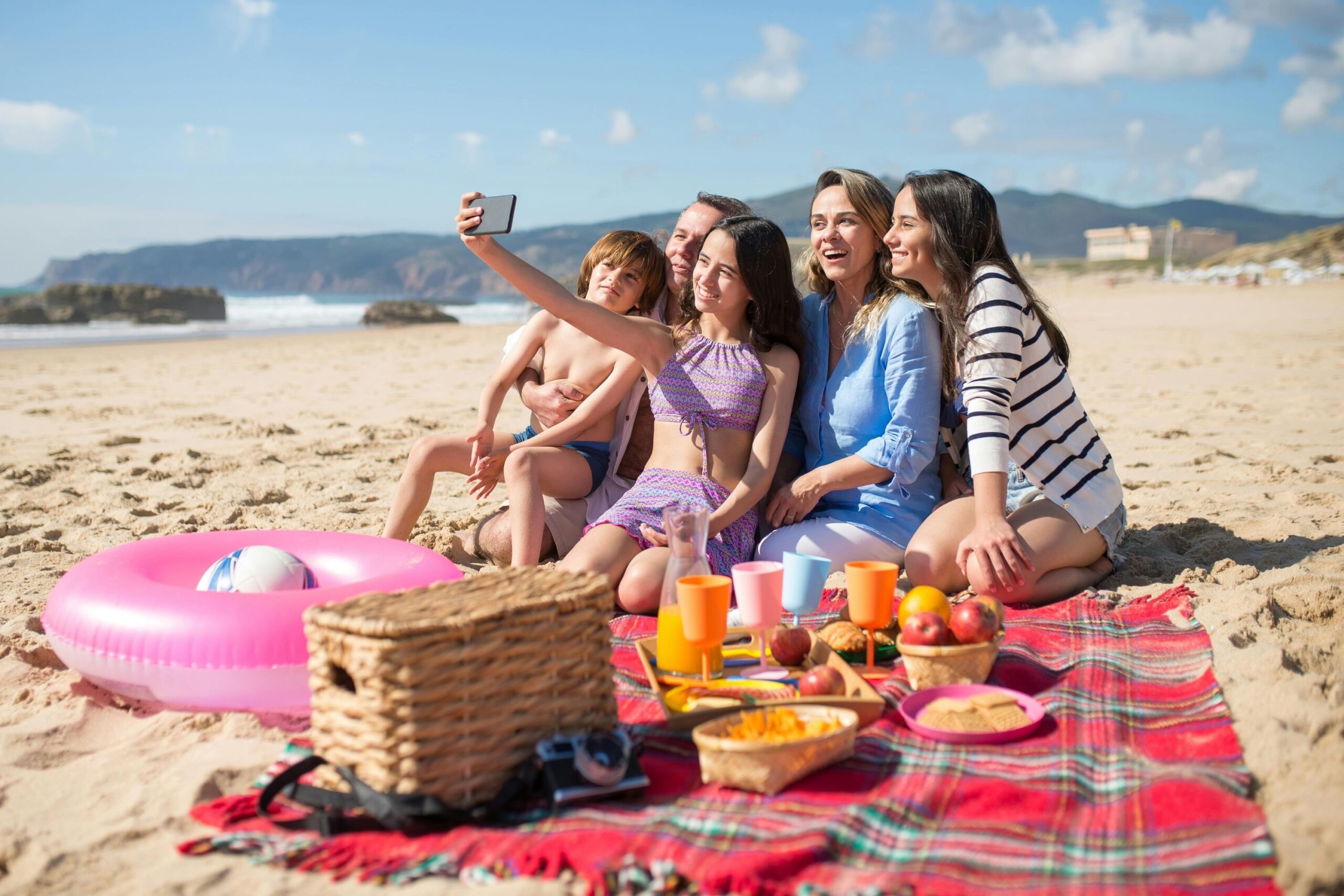
Yes, but you’ll need windproof gear and extra shade. Avoid sand getting into food by packing sealed containers and using elevated trays.
How can I determine if a park has restrooms?
Check the city or park website, or look it up on Google Maps. Reviews and photos often mention available facilities.
Should I avoid parks near highways or main roads?
If noise or safety is a concern—yes. Choose locations deeper inside the park or near greenbelt areas for a more peaceful experience.
What’s the easiest way to carry picnic supplies?
Use a lightweight cooler backpack, rolling tote, or divided basket. Pack heavy items on the bottom and balance the weight when walking a long distance.
Can I bring my dog?
Only if the park allows it, look for dog-friendly parks with shade, waste stations, and water access. Bring a leash and a collapsible bowl.
Are there picnic spots with built-in shade?
Yes. Many public parks have gazebos, large trees, or permanent canopies. Arrive early or reserve them if possible.
What if it rains after I arrive?
If there’s no covered shelter nearby, pack up and head to a nearby café or return another day. Always check the forecast and have a Plan B.
Can we have a picnic at sunset?
Absolutely—but bring bug spray, layers for cooler temperatures, and some lighting, such as LED lanterns or tea lights, for safety and ambiance.
How can I keep drinks cold without a large cooler?
Use insulated tote bags with frozen water bottles or ice packs. Keep drinks wrapped in foil or in shaded areas to keep them cool for longer.
Do I need a permit to host a group picnic?
For small gatherings, usually no. For groups of 25–50 people or those using a shelter, please check with your local parks department.
Can I use candles or open flames?
Usually not. Many parks restrict the use of fire unless designated BBQ areas are available. Use battery-powered lanterns for ambiance instead.
What’s the best way to clean up quickly?
Pack trash bags and paper towels. Group all disposables in one bag and keep a damp cloth on hand for sticky spills or dirty hands.
Are rooftop or urban parks suitable for picnics?
Yes! Just make sure they allow outside food and check for rules on seating, music, or alcohol. They often have great views and solid amenities.
How long should a typical picnic last?
1.5 to 3 hours is ideal. Long enough to eat, relax, and enjoy—but not so long that guests get restless, especially in the heat or sun.
You May Also Like
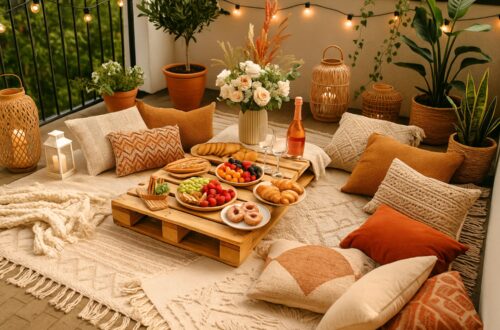
How to Decorate a Small Balcony for a Picnic Setup

What’s a Retro Radio or Vinyl Theme for a Classic Picnic?