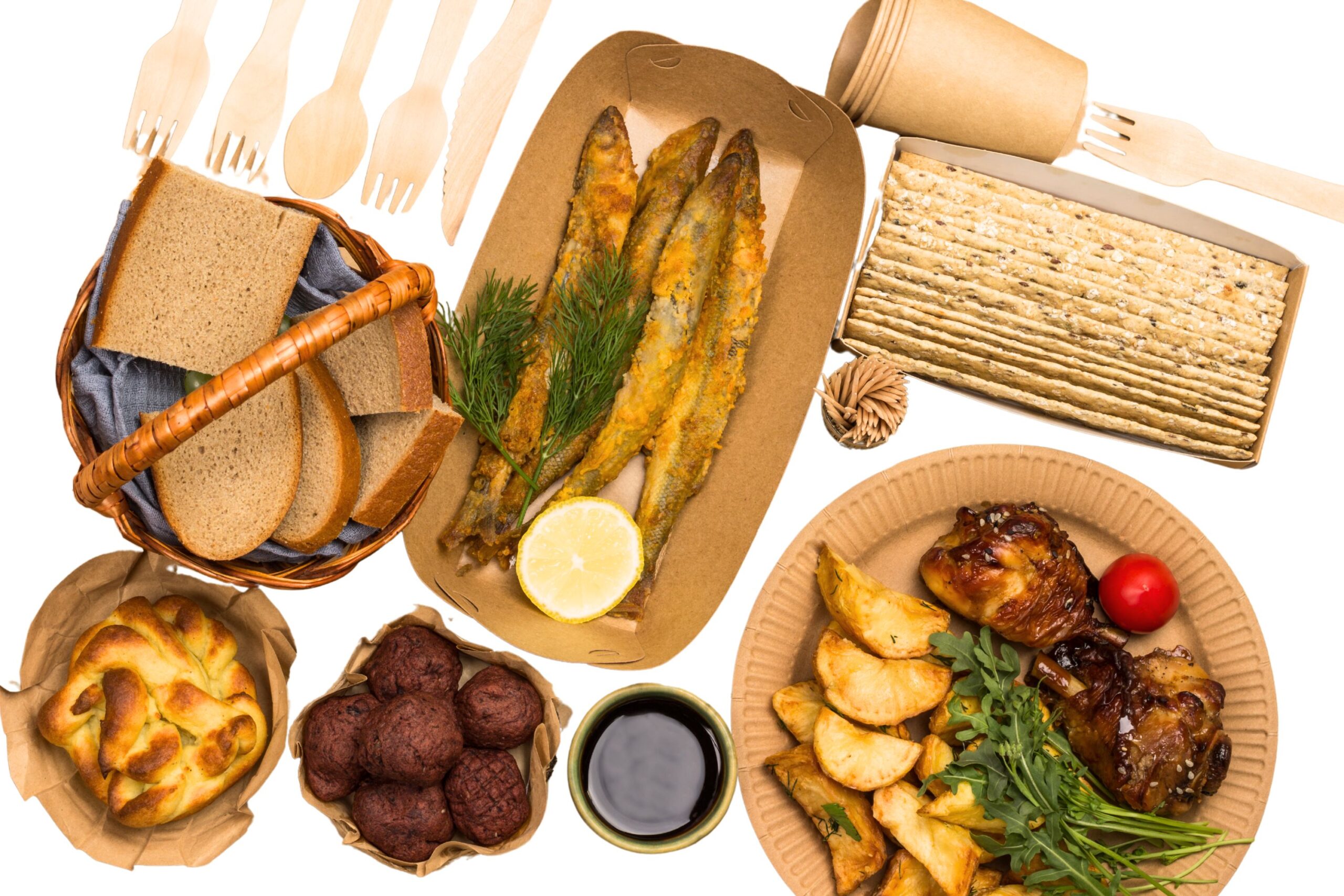
How to Organize an Eco-Friendly Picnic
To plan eco friendly picnic properly, you need to make deliberate decisions about location, supplies, food, transportation, storage, and cleanup. Sustainable picnic planning reduces waste, avoids disposable plastics, and ensures the outdoor space remains clean and usable for others.
This guide explains exactly how to plan eco-friendly picnic setups for parks, beaches, private gardens, and public outdoor spaces. It applies to casual family picnics, romantic setups, birthdays, and professional luxury picnic arrangements. The planning guide helps you choose the right equipment, prepare safe food, and organize logistics efficiently.
You will learn how to select an appropriate location, prepare reusable supplies, manage food safely, and prevent waste. These planning steps ensure your picnic is practical, environmentally responsible, and easy to execute.
Where should you plan an eco-friendly picnic to minimize environmental impact?
The best way to plan eco friendly picnic is to select a location with proper facilities, easy access, and minimal environmental sensitivity. Parks with designated picnic zones make waste handling, food safety, and setup much easier. Environmental impact, accessibility, and facilities all influence how you choose the best picnic location.
Urban parks such as Griffith Park, Echo Park Lake, and Palisades Park in Los Angeles offer picnic tables, waste bins, and shaded areas. These features reduce the need for temporary equipment and prevent damage to grass, wildlife, and soil. Beaches like Dockweiler State Beach also offer structured picnic areas and parking.
Distance is also critical when you plan eco-friendly picnic logistics. Locations within 5–15 miles reduce fuel use and make it easier to transport reusable containers and cooler bags. Long-distance travel increases emissions and complicates temperature control of food.
Avoid fragile natural areas without designated picnic infrastructure. These environments lack waste management and increase the risk of environmental damage if cleanup is incomplete.
What reusable supplies do you need to plan eco friendly picnic successfully?
To plan eco friendly picnic responsibly, prepare reusable equipment that replaces disposable picnic products. This includes food containers, utensils, drinkware, blankets, and cooling systems designed for repeated use. Preparing reusable things to take for a picnic helps eliminate single-use items.
Stainless steel cutlery, glass or BPA-free containers, and cloth napkins eliminate the need for plastic forks, paper plates, and paper towels.
Refillable water bottles and reusable cups reduce single-use waste and simplify drink planning. Reusable containers and insulated bags make it easier to pack a picnic properly without relying on disposable materials.
Insulated cooler bags with reusable ice packs maintain safe food temperatures without disposable materials. High-quality cooler bags can keep food below 40°F (4°C) for 4–6 hours, which is essential for food safety in outdoor conditions.
Preparing these supplies at least one day before departure prevents last-minute purchases of disposable items. Most unsustainable decisions happen when planners forget essential reusable equipment.

How should you plan eco-friendly picnic food to reduce packaging and waste?
Food planning is one of the most important steps when you plan eco-friendly picnic setups. Homemade meals significantly reduce packaging waste and allow precise portion control.
Foods such as sandwiches, wraps, fruit, pasta salad, and prepared vegetables transport well in reusable containers. These options remain stable during transport and require minimal packaging compared to store-bought alternatives.
Avoid individually packaged snacks, plastic-wrapped bakery items, and disposable drink containers. These products generate unnecessary waste and increase cleanup complexity. Accurate picnic food portions per person help prevent unnecessary food waste.
Planning portions carefully prevents food waste. Estimate realistic serving sizes based on the number of people and picnic duration. Proper planning ensures food is consumed instead of discarded.
How does transportation affect your ability to plan eco friendly picnic efficiently?
Transportation directly affects the environmental impact and logistical efficiency when you plan eco-friendly picnic events. Choosing nearby locations simplifies transport and reduces emissions.
Walking or biking to your picnic location is the most sustainable option. Many urban parks are accessible by public transportation, which reduces environmental impact compared to driving.
If driving is required, choose the nearest suitable park and avoid unnecessary trips. Transport reusable supplies, food containers, and cooler bags in one trip to improve efficiency.
Shorter travel times also improve food safety. Perishable foods remain within safe temperature ranges more easily when transportation time is minimized.
How do you plan eco-friendly picnic food storage and temperature control?
Proper storage is essential when you plan eco-friendly picnic food preparation. Maintaining the correct temperature prevents spoilage and eliminates unnecessary food waste. Proper storage helps keep food at safe temperatures during outdoor use.
Insulated cooler bags with frozen reusable ice packs help maintain safe storage temperatures below 40°F (4°C). This prevents bacterial growth and keeps food safe for several hours.
Separate perishable items such as dairy, meat, and cut fruit from dry foods. Leak-proof reusable containers maintain food quality and prevent contamination during transport.
Storage planning becomes especially important in warm weather. Outdoor temperatures above 75°F (24°C) accelerate food spoilage, so proper cooling equipment is necessary.
Why does waste management planning matter when you plan eco friendly picnic?
Waste management preparation ensures you maintain environmental responsibility throughout your picnic. Bringing proper waste collection supplies allows you to handle trash without relying on public bins.
Reusable waste bags allow the separation of trash, recyclables, and compostable materials. This simplifies disposal and ensures nothing is left behind.
Some parks have limited waste infrastructure, especially during busy periods. Planning independent waste management ensures you maintain control over cleanup regardless of park conditions.
Effective waste planning is one of the most important steps to plan eco-friendly picnic setups successfully.
When should you prepare supplies to plan eco friendly picnic smoothly?
Preparation timing plays a major role when you plan eco-friendly picnic logistics. Organizing supplies and food in advance prevents rushed decisions and forgotten equipment.
Prepare reusable containers, utensils, blankets, and cooler bags one day before the picnic. This ensures everything is clean, ready, and easily accessible.
Food preparation should be completed shortly before departure to maintain freshness and safe temperature. Perishable food should remain refrigerated until transport.
Morning and late afternoon are ideal picnic times, especially in warm climates. These periods reduce heat exposure and improve food safety.
How do you plan eco friendly picnic cleanup to protect the environment?
Cleanup planning ensures the picnic area remains clean and environmentally safe. All waste, reusable supplies, and food containers should be collected and removed completely.
Reusable containers and utensils should be cleaned after returning home to maintain hygiene and prepare for future use. Proper cleaning extends equipment lifespan.
Sorting recyclables, compost, and waste ensures responsible disposal. Proper cleanup is essential when you plan eco-friendly picnic events in public outdoor spaces.
Leaving no waste behind protects the environment and ensures continued access to picnic locations.
Quick planning checklist to plan eco friendly picnic efficiently
To plan eco friendly picnic successfully, confirm that you selected a suitable location, prepared reusable supplies, packed homemade food, organized cooler storage, and prepared waste management supplies.
Confirm transportation logistics, weather conditions, and food storage requirements before leaving. Proper planning ensures your picnic remains sustainable and efficient.
Preparation and organization are the key factors that determine how successfully you plan eco-friendly picnic setups.
FAQs
How do you plan eco friendly picnic with zero single-use plastic?
To plan eco friendly picnic without single-use plastic, replace disposable packaging with reusable containers, glass jars, and refillable bottles. Choose food from bulk stores or prepare meals at home. Avoid plastic wrap by using beeswax wraps or silicone lids. This approach eliminates most plastic waste before the picnic begins.
Do you need permits to plan eco friendly picnic in public parks or beaches?
Some public parks and beaches require permits, especially for groups larger than 10–20 people or setups with tables, decorations, or shade structures. Check local park authority websites, such as Los Angeles Parks & Recreation or California State Parks. Permit planning prevents fines and ensures access to designated picnic areas.
How do weather conditions influence how you plan eco friendly picnic?
Weather affects food safety, comfort, and equipment needs. Temperatures above 80°F (27°C) require insulated cooler bags and shaded areas to prevent spoilage. Wind conditions at beaches require secure containers and heavier blankets. Checking weather forecasts 24 hours in advance helps you prepare properly.
What is the safest way to plan eco friendly picnic during hot summer months?
Choose shaded locations, avoid midday hours between 12 PM and 3 PM, and use insulated coolers with ice packs. Perishable food should not remain unrefrigerated longer than 2 hours, or 1 hour if temperatures exceed 90°F (32°C). Proper timing and cooling equipment are essential.
How do you plan eco friendly picnic for larger groups without increasing waste?
Use shared serving containers instead of individual portions and encourage guests to bring reusable bottles or utensils. Larger reusable containers reduce packaging waste. Planning portions carefully also prevents excess food waste, which is common in group picnic settings.
What are the most sustainable drink options when you plan eco friendly picnic?
Refillable water bottles, homemade beverages in reusable glass bottles, and drinks prepared in reusable thermoses are the best options. Avoid single-use plastic bottles, aluminum cans, and juice boxes. Large refillable containers are especially efficient for group picnics.
How do you plan eco friendly picnic near beaches where wind and sand are factors?
Choose heavier blankets, secure containers with tight lids, and avoid lightweight disposable materials. Wind can scatter waste easily, so bringing sealable reusable storage and waste bags is essential. Early morning and evening hours typically have calmer wind conditions.
Can you plan eco friendly picnic using store-bought food responsibly?
Yes, but choose items with minimal packaging, recyclable containers, or compostable materials. Bakery items in paper packaging and fresh produce without wrapping are better options. Transfer food into reusable containers before arriving at the picnic location.
What is the best time of day to plan eco friendly picnic for food safety and comfort?
Morning hours between 8 AM and 11 AM and late afternoon between 4 PM and sunset provide the safest temperature range. These timeframes reduce heat exposure, improve comfort, and maintain safe food storage conditions.
How do you plan eco friendly picnic seating without disposable furniture?
Reusable picnic blankets, foldable chairs, and low portable tables are ideal. These items can be reused for years and eliminate the need for disposable seating. Durable equipment also improves stability and comfort on grass, sand, or uneven surfaces.
How do you plan eco friendly picnic cleanup when recycling bins are not available?
Bring separate reusable waste bags and sort waste at home. This ensures recyclables, compost, and trash are disposed of properly. Never leave waste behind, even if bins are unavailable. Proper waste removal is part of responsible picnic planning.
How do you plan eco friendly picnic that can be repeated regularly without extra cost?
Invest once in reusable containers, utensils, and cooler bags. These items reduce recurring costs and eliminate the need for disposable purchases. Over time, reusable equipment makes eco friendly picnic planning easier, faster, and more cost-efficient.

You May Also Like

How to Decorate a Small Balcony for a Picnic Setup

How to Create a Mocktail Tasting Picnic Bar?