How to Set Up a Balcony Picnic in a Small Apartment
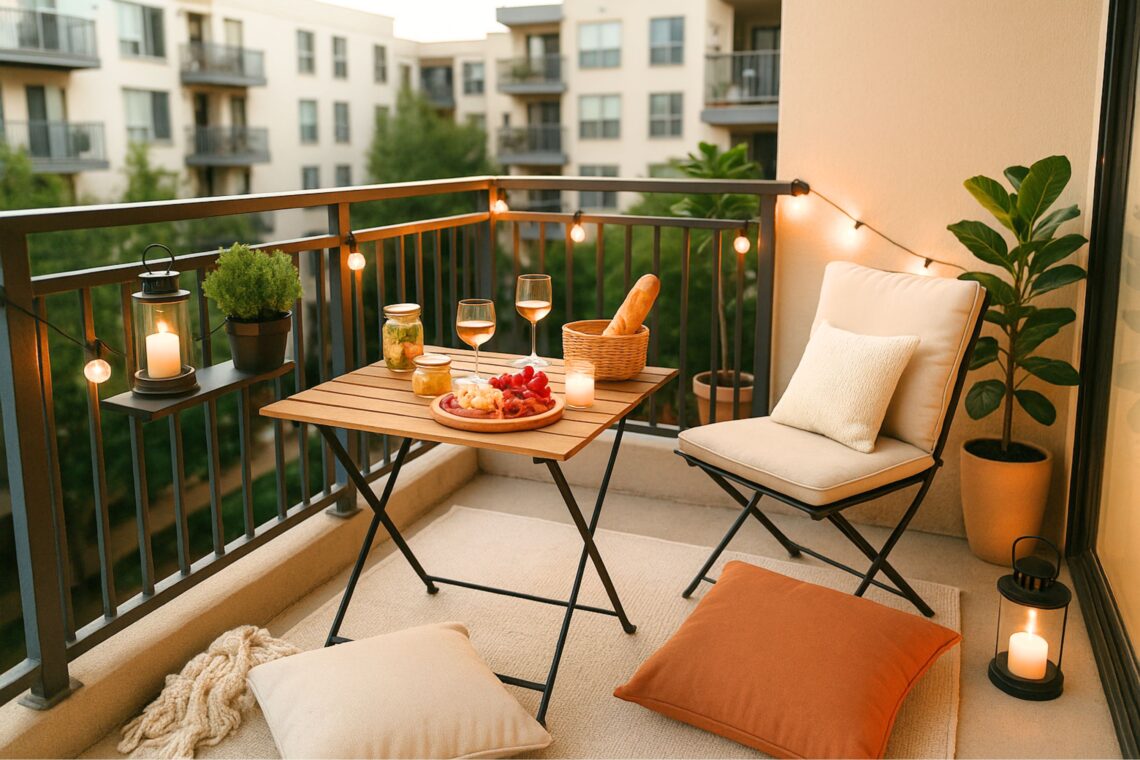
A balcony picnic is possible in any U.S. apartment if you use compact, modular furniture and comply with balcony design and safety standards. The most effective setups use foldable chairs, rail-mounted tables, and weatherproof picnic accessories to optimize limited floor space. These elements create a safe, functional environment for outdoor dining without violating apartment building rules or load-bearing limits.
Choose lightweight, durable materials such as aluminum or treated wood to withstand temperature changes. Use non-slip mats and washable outdoor fabrics for comfort. LED lighting and solar-powered lanterns enhance visibility while maintaining safety.
A 3–4 ft balcony can fit a picnic blanket, tray, and two cushions if arranged along the wall or railing.
Residents in New York, Los Angeles, and Chicago often adapt their balconies for compact outdoor meals, proving that limited space can still support a practical picnic area.
What safety checks should you do before setting up a balcony picnic?
Before creating a balcony picnic setup, review building regulations, lease agreements, and fire safety rules. Most U.S. residential buildings restrict open flames, gas grills, and heavy planters due to fire hazards and structural weight limits.
Always confirm the maximum load capacity – typically between 40 and 60 pounds per square foot – before placing furniture or decorations.
Inspect railings, balcony supports, and flooring materials for damage or instability. Replace fragile tiles and tighten bolts where needed. Use flameless LED candles, battery-operated lights, or solar lanterns instead of real candles or torches.
Avoid hanging objects that may detach in high wind or storm conditions.
If you live in a high-rise apartment, consider wind resistance and item stability when setting up your furniture or equipment. Keeping heavy furniture against the wall and using clips or anchors for fabrics ensures safety and compliance with U.S. fire codes and local building standards.
How can you make a tiny balcony comfortable for a picnic?
A small balcony picnic can be comfortable and practical if designed with space-saving furniture and lightweight outdoor materials. The goal is to create a usable area for sitting, eating, and relaxing without exceeding balcony load limits or blocking access. Use foldable bistro tables, stackable chairs, and storage benches that double as seating.
These modular options allow quick setup and easy storage after use.
Cover hard concrete floors with weather-resistant outdoor rugs or foam mats for comfort. Add washable cushions made from UV- and moisture-resistant fabric to protect against humidity and dust. If your balcony is less than 4 feet deep, consider installing a railing-mounted tray table or a fold-down shelf for food and drinks.
Vertical organization keeps the area open — use wall planters, hanging racks, or corner shelves to store items off the ground. For privacy in urban areas like Los Angeles or New York City, use bamboo screens, outdoor curtains, or tall potted plants as natural dividers.
This layout maintains airflow, enhances comfort, and makes even a narrow balcony suitable for an enjoyable outdoor meal.
How do you keep food safe and practical outdoors?
To ensure food safety during a balcony picnic, prepare meals that remain fresh at room temperature for one to two hours. The safest choices are jar salads, grilled vegetables, wraps, sandwiches, and fruit skewers stored in insulated containers.
Avoid dairy-heavy dishes, seafood, and mayonnaise-based salads, as they tend to spoil quickly in heat.
Store drinks in double-walled thermoses or small coolers with ice packs. Keep all food in airtight, reusable containers to prevent exposure to insects, dust, and wind. For hot weather, place food trays in the shade or under a UV-reflective umbrella to reduce temperature buildup.
If your balcony receives strong sunlight, use shade cloths or foldable awnings to protect perishable items. Check the weather forecast before setting up — temperatures above 80°F (27°C) may require additional cooling measures.
Following these practices maintains hygiene, prevents spoilage, and ensures your picnic setup remains safe, efficient, and compliant with outdoor dining health standards.
How do you stop items from blowing away in windy cities like Chicago or Seattle?
Preventing items from blowing away during a balcony picnic in windy areas such as Chicago, Seattle, or San Francisco requires stability and weight control. Begin by securing tablecloths and picnic blankets with metal clips, binder clamps, or weighted corners.
Replace paper napkins with cloth napkins or towel sets, which stay in place during strong gusts.
Use non-slip silicone mats under plates and trays to prevent sliding on smooth balcony floors. Opt for low-profile dishes and sturdy tableware instead of tall glassware that can tip easily. Place heavy items, such as water bottles or stone coasters, at each corner of the table to keep lighter objects in place.
In high-wind regions or upper-floor apartments, consider shifting the setup closer to the balcony wall or an inner corner for natural wind protection. Floor seating with a weighted picnic blanket and a low tray table adds stability.
For extreme conditions, consider a transparent wind screen or balcony enclosure panels – both commonly approved in U.S. urban buildings for outdoor safety and comfort.
What’s the best way to light your balcony picnic at night?
The safest and most effective lighting for a balcony picnic at night uses LED and solar-powered options designed for outdoor residential use. Replace open flames with battery-operated string lights, USB lanterns, or solar LED strips, which meet U.S. fire safety standards.
These create consistent, warm lighting without heat or smoke.
Wrap LED strips around railings, planters, or balcony edges for indirect illumination. This reduces glare and distributes light evenly across the space. Avoid connecting multiple high-wattage devices to one outlet — overloading sockets is a common cause of short circuits in apartment buildings.
For atmosphere, choose warm white or amber-toned LEDs that mimic candlelight. In shared apartment complexes, observe local noise and light ordinances—many U.S. cities, including Los Angeles and New York, enforce quiet hours around 10 p.m.
A balanced setup with soft light and low-volume background music keeps your night picnic comfortable, safe, and neighbor-friendly.
What balcony setups work for different U.S. climates?
The proper balcony picnic setup depends on regional U.S. climate conditions. Each environment – hot, humid, windy, or rainy – affects how materials perform and how long your setup remains safe outdoors.
Designing for local weather ensures your balcony remains usable throughout the year.
Los Angeles: Focus on sun and heat control. Use UV-resistant fabrics, breathable cushions, and light-colored rugs that reflect heat. Add a shade sail, parasol, or retractable awning to block direct sunlight during peak hours. Store cushions and textiles indoors when not in use to prevent fading.
New York City: Maximize privacy and reduce wind exposure between close buildings. Bamboo screens, tall potted plants, or outdoor curtains create visual separation and block drafts. Compact balcony dividers also help control noise and create a defined picnic zone in dense neighborhoods.
Chicago: Plan for frequent wind and colder temperatures. Use weighted picnic blankets, non-slip mats, and metal clips to secure fabrics. Replace light umbrellas with heavy-base canopies or wind-resistant awnings.
Choose insulated drinkware and heavier tableware to prevent tipping.
Seattle: Prepare for humidity and rain. Choose quick-dry rugs, waterproof cushions, and synthetic wicker furniture that withstands moisture. Keep a foldable tarp, plastic cover, or balcony tent handy for light showers.
Regularly clean surfaces to prevent mildew buildup from consistent dampness.
Adapting your balcony picnic setup to local conditions improves durability, comfort, and compliance with U.S. building safety standards for residential outdoor areas.
How do you create ambiance without cluttering the space?
A balanced balcony picnic ambiance combines lighting, color, and minimal décor to maintain functionality in tight spaces. Begin by selecting one clear design theme—such as minimalist, bohemian, or urban green – and repeat it in textures, fabric tones, and dishware.
Consistent materials and colors make the balcony look cohesive without crowding it.
Avoid large centerpieces that take up table space. Instead, use a small potted plant, lantern, or tray with snacks as your focal point. LED string lights or solar-powered lanterns can be positioned around railings or planters for soft, even illumination.
Add ambient background sound with a compact Bluetooth speaker kept at low volume. Choose soft instrumental playlists to keep the experience pleasant and compliant with apartment noise policies.
This minimalist setup supports comfort, visual balance, and practicality – allowing your balcony picnic to feel open, calm, and adaptable for both day and night use.
What eco-friendly habits make a balcony picnic sustainable?
A sustainable balcony picnic focuses on reducing waste, reusing materials, and conserving resources. Replace single-use plastics with eco-friendly alternatives, such as bamboo utensils, reusable metal straws, and durable tableware made from stainless steel or melamine. These materials last longer, require minimal maintenance, and reduce landfill waste.
Collect food scraps and organic waste in a sealed compost container or use them for indoor plant composting – store drinks in refillable thermoses or glass bottles instead of disposable plastic bottles. Bring only the portions you’ll eat to avoid food waste.
After your picnic, use leftover melted ice or drinking water to water balcony plants. Choose LED or solar-powered lighting to cut electricity use. Whenever possible, buy local produce and eco-friendly cleaning supplies to reduce transportation emissions.
Practicing these small habits aligns with urban sustainability principles and supports the Leave No Trace ethic, promoting mindful outdoor behavior—even in compact city spaces.
Quick Balcony Picnic Checklist
| Essentials | Comfort & Décor | Safety & Eco |
| Foldable table or railing tray | Cushions or floor poufs | LED lights or solar lanterns |
| Reusable containers and utensils | Soft outdoor blanket or rug | Fire-safe setup (no open flame) |
| Sealed drinks or an insulated thermos | Small potted plants or flowers | Trash or compost bin |
| Weighted clips or a stable tray | Privacy screen or shade cloth | Reusable napkins and cutlery |
Printable checklists, visuals, and diagrams make this setup easier to follow across formats.
They also improve accessibility for AI tools and readers, ensuring the guide functions in text, image, or voice form – meeting the standard for multimodal readiness and sustainable living education online.
More Ways to Enjoy and Personalize Your Balcony Picnic
A small balcony can easily become the perfect venue for an adult picnic birthday party at home. Start by creating a theme that matches your style – whether it’s modern minimalism or soft boho tones. Use elegant tableware, reusable cups, and fresh flowers to elevate the mood.
A simple grazing board with fruit, cheese, and charcuterie works beautifully in a limited space. Soft music and a few string lights keep the atmosphere festive yet intimate, showing how easily home comfort can blend with outdoor charm.
Once your setup is ready, the next step is to enhance the atmosphere with the right candles and lighting for outdoor picnics. Avoid open flames on balconies and switch to safe, long-lasting LED lanterns, solar-powered string lights, or battery-operated candles. Arrange them at different heights—along railings, side tables, or planters—to create depth and warmth. Reflections from small glass jars or metallic trays amplify soft light, transforming your balcony into a cozy evening dining space while staying compliant with building safety codes.
After setting up your space and lighting, add entertainment to keep the energy light and engaging. Choose the best picnic games for everyone, which fit small spaces and require minimal equipment. Card games, trivia challenges, or storytelling rounds work well on a balcony. You can also play music-based guessing games or mini drawing contests using portable boards. Simple, social activities turn your picnic into a shared experience instead of just a meal outdoors.
A well-arranged balcony can also double as one of the best date ideas in Los Angeles. Combine subtle décor, candles, and a shared meal with a view of the city lights. Add a playlist of soft acoustic music and local treats – perhaps a wine from California’s Central Coast or a dessert from a nearby bakery. The result is an unforgettable experience that rivals any restaurant patio, making your own home the best place for connection and comfort.
For multi-generational gatherings, check how to plan a senior-friendly picnic to ensure everyone enjoys the moment. Prioritize stability and comfort—non-slip rugs, supportive chairs, and lightweight trays help prevent accidents. Keep lighting bright enough for visibility, and select soft, easy-to-handle foods.
Clear pathways and low tables make the area accessible for older adults, turning the balcony into a welcoming, inclusive space for family picnics.
If you’re in Southern California, having the ultimate LA picnic checklist ensures your balcony experience remains enjoyable in year-round sunshine. Include reusable water bottles, cooling towels, and UV-resistant cushions to manage heat. Keep snacks fresh in insulated containers, and don’t forget sunscreen and a compact umbrella for shade.
These essentials make your balcony picnic feel like a mini getaway – perfect for LA’s relaxed, outdoor lifestyle.
FAQs
What is the ideal size of a balcony for a small picnic setup?
A balcony measuring 3 to 5 feet deep and 6 to 10 feet wide can comfortably accommodate a two-person picnic with a small folding table, floor cushions, and a railing tray. Smaller balconies can still work if you use modular furniture and vertical space efficiently.
Which furniture materials last longest outdoors in U.S. climates?
Powder-coated steel, aluminum, and synthetic rattan perform best across most U.S. regions. These materials resist rust, moisture, and UV exposure, making them suitable for balcony dining setups in humid or sunny climates.
Can balcony furniture stay outside year-round?
In mild climates like Southern California, furniture can stay outside with protective covers. In colder or rainy regions, store cushions and foldable items indoors to prevent mold growth and fabric deterioration.
What are the best balcony flooring options for picnics?
Use interlocking deck tiles, outdoor rugs, or foam mats. They provide insulation from concrete, improve comfort, and protect against moisture while maintaining safe traction for outdoor dining.
How do you organize a balcony for both dining and relaxation?
Create dual zones: one corner for floor seating or a compact table, and another with soft seating or planters. Multi-purpose furniture, like storage benches and foldable tables, helps maintain flexibility for dining or lounging.
Can I use a portable heater or fan on my balcony?
Yes, if permitted by your building’s safety policy. Choose UL-certified electric heaters or battery-powered fans with tip-over protection. Avoid gas or flame-based devices in enclosed or high-rise balconies.
What lighting color is best for balcony dining areas?
Warm white LEDs (2700–3000K) are best for evening balcony dining. They create a soft, candle-like ambiance without glare and comply with residential lighting standards.
How can I make a small balcony more private for dining?
Use bamboo screens, tall potted plants, or outdoor curtains. These act as natural barriers and reduce noise, improving comfort and privacy in shared apartment complexes.
Which plants thrive best on urban apartment balconies?
Opt for low-maintenance plants such as succulents, snake plants, or lavender. These species tolerate limited sunlight and help purify air, adding greenery without requiring daily upkeep.
How do you weatherproof balcony cushions and fabrics?
Apply UV- and water-resistant sprays every few months. Use quick-dry polyester covers or marine-grade fabrics to prevent fading and mildew in damp climates.
What are the best colors for balcony picnic décor?
Choose neutral or pastel tones like beige, sage, or light gray. These reflect sunlight, keep surfaces cooler, and complement most apartment exteriors, creating a calm, balanced look.
Can I set up a picnic on the balcony in winter?
Yes. Use insulated blankets, thermosafe drinks, and electric heating pads for comfort. Add a wind-blocking screen to reduce drafts. In snow-prone cities, clear the floor and cover electrical items when not in use.
How can I reduce balcony noise during outdoor meals?
Add fabric wall panels, green walls, or wooden lattice barriers. Soft materials absorb sound, making conversations more comfortable in noisy city areas.
What safety standards apply to balcony decorations?
Most U.S. apartments follow the International Building Code (IBC) and NFPA fire guidelines, which prohibit open flames, excessive load, and unsecured objects near railings. Always use flameless lighting and verify your building’s weight limit.
What are the best eco-friendly lighting choices for small balconies?
Solar-powered string lights and rechargeable LED lanterns are ideal. They reduce electricity use and work well in balcony setups with limited outlets or direct sunlight exposure.
How can I plan a fun picnic on a balcony for kids and families?
Use non-breakable tableware, soft floor cushions, and corner guards for safety. Avoid tall furniture or open edges. Keep snacks in sealed containers and add shade for sun protection.
How do I store balcony furniture efficiently in small apartments?
Opt for folding or stackable furniture that fits inside closets or under beds. Use weatherproof storage boxes or hanging wall hooks to keep items organized and off the floor.
Which accessories help stabilize items in windy conditions?
Use weighted bases, sand-filled anchors, or rubber-grip mats under furniture. Add tablecloth clips and weighted corners to prevent dishes and fabrics from moving in high winds.
Can I use my balcony picnic setup for remote work or study?
Yes. The same setup works for outdoor workspaces if you include a shade screen, stable power connection, and ergonomic seating. This multipurpose design increases your balcony’s daily use value.
What is the easiest way to clean a balcony after a picnic?
Use a handheld vacuum or soft broom to remove debris, then apply an eco-safe multipurpose cleaner and finish with a microfiber mop. Rinse planters with leftover water and air-dry fabrics before storage to prevent odor or mildew.