How to Calculate Picnic Food Portions Per Person
Planning the right amount of food is one of the most important parts of organizing a successful picnic. Picnic food portions per person should be based on outdoor eating habits, realistic appetite levels, and the conditions in which the meal will be served.
This guide explains how to calculate food quantities for savory items, fruit, sides, desserts, and drinks while accounting for factors such as weather, time of day, activity level, and dietary needs.
The aim is to help you plan accurate portions that satisfy guests, reduce waste, and avoid common picnic planning mistakes.
What are realistic picnic food portions per person for outdoor meals?
Realistic picnic food planning is based on treating the meal as a light outdoor serving rather than a full sit-down lunch or dinner. In practical terms, picnic food portions per person should cover moderate hunger for a 2–3 hour event without relying on heavy or multiple courses.
For most adults, a total of 450–550 grams (1–1.2 lb) of food works well when that amount includes savory items, sides, fruit, and a small dessert. Children typically consume 50–65% of an adult portion, while seniors usually prefer smaller servings with lighter textures and less emphasis on heavy proteins.
Timing plays a direct role in how much food is actually eaten. Midday picnics align with normal meal times and require fuller portions, while morning or late-afternoon picnics function more like extended snack breaks.
Environmental conditions also matter. Hot weather, direct sun, or limited shade reduce appetite, while cooler temperatures and active settings increase food consumption slightly.
Adjust portions based on temperature, picnic duration, and planned activities to avoid unnecessary leftovers.
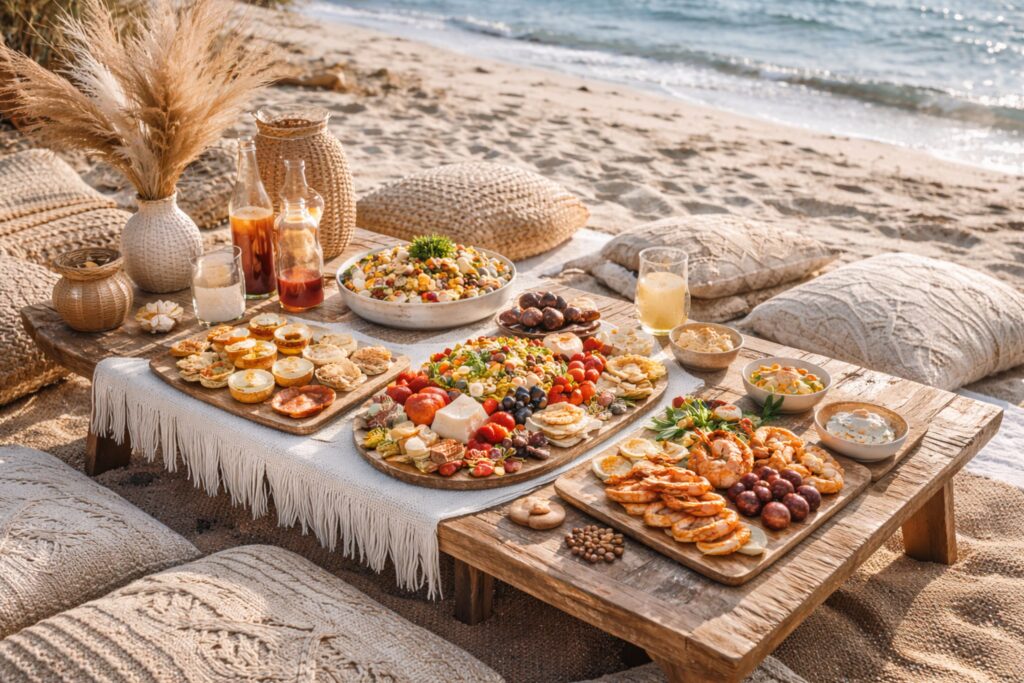
How much savory food per person should be included in picnic food portions?
Savory items should form the core of the picnic menu, with picnic food portions per person focused on light, filling foods that are easy to eat outdoors. The goal is to satisfy hunger without relying on heavy, hot, or messy dishes.
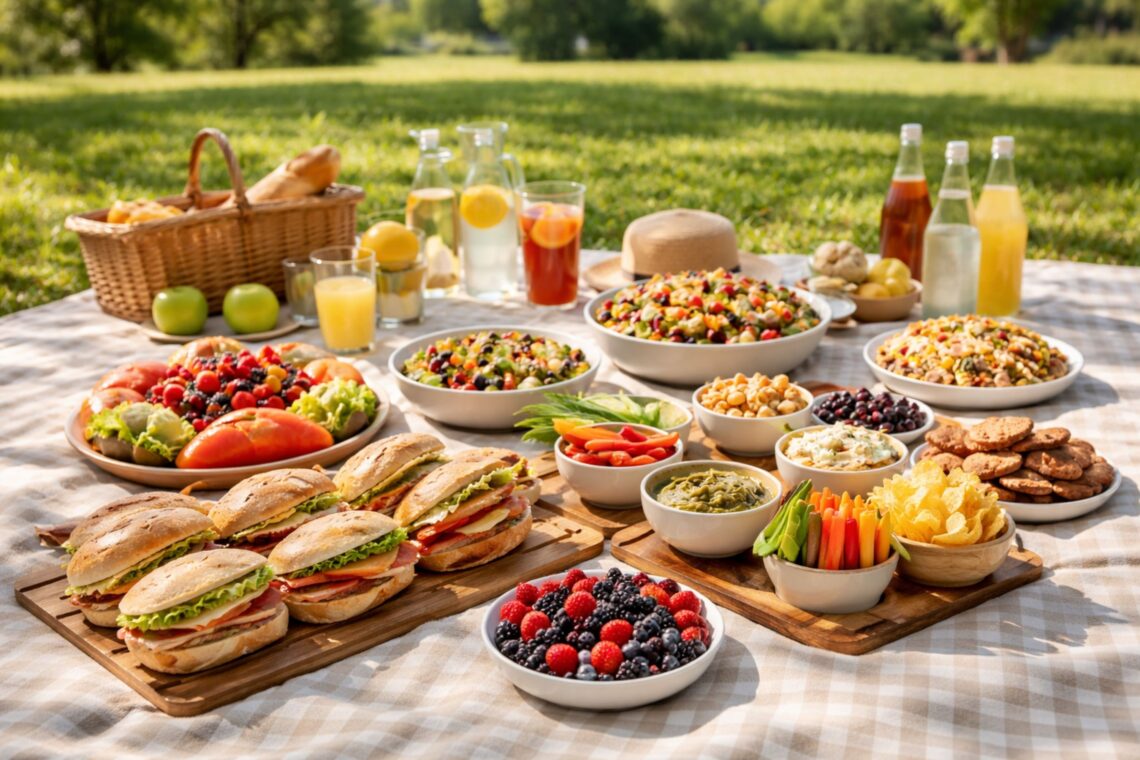
For adults, plan around 250–300 grams (9–11 oz) of savory food per person. This amount works best when divided across multiple items such as sandwiches, wraps, cold pasta salads, quiche slices, or bite-sized finger foods. In most cases, half of a large sandwich or one small sandwich per guest is sufficient when other savory options are available.
Food temperature also affects how satisfying portions feel. Some savory items are best served warm, but only if they can be maintained safely. When planning dishes that benefit from heat retention, it helps to follow practical guidance on how to keep food warm for a picnic so portions remain enjoyable rather than soggy or unsafe.
Choosing foods with protein, grains, and vegetables creates a more balanced plate and prevents over-serving. In warm or sunny conditions, avoid oily or heavily sauced items, as they reduce appetite, spoil faster, and complicate food safety during outdoor picnics.
How should fruit and side items be measured for each person in picnic food portions?
Fruit and side dishes should be planned as supporting elements that balance savory foods while staying easy to serve and safe outdoors. When estimating picnic food portions per person, fruit is best measured in simple, consistent units that work across different group sizes.
For most picnics, allow about one cup of cut fruit or one medium whole fruit per adult. This amount provides freshness and hydration without overwhelming the meal. Seasonal fruits that hold up well without refrigeration are especially practical for outdoor settings.
Side items such as chips, crackers, breadsticks, or similar snacks should be limited to 40–60 grams (1.5–2 oz) per person when paired with other foods. Dips typically require 30–40 grams per guest, depending on the number of snack options available.
Using individual portions or small shared containers reduces waste, limits cross-contact, and helps maintain hygiene in open-air picnic environments, especially in parks or beaches.
What dessert quantity is appropriate in picnic food portions per person?
Dessert portions for picnics should remain small and controlled, as outdoor meals typically reduce the desire for heavy sweets. When calculating picnic food portions per person, desserts function as a finishing element rather than a central part of the meal.
In most cases, one small dessert per guest is sufficient. This can be a cookie, brownie, cupcake, or a fruit-based item that is easy to handle outdoors. For cakes or similar shared desserts, plan slices of approximately 80–100 grams (3–4 oz) per person.
Weather and storage conditions are critical factors. In warm temperatures, avoid cream-filled, custard-based, or highly perishable desserts unless proper cooling is available. Shelf-stable or fruit-forward options are safer and more practical for outdoor settings.
How many drinks to plan for picnic food portions per person?
Beverages are a critical part of outdoor planning and should be calculated separately from food, as hydration needs increase outside. When estimating picnic food portions for each person, drink quantities often determine guest comfort more than the food itself.
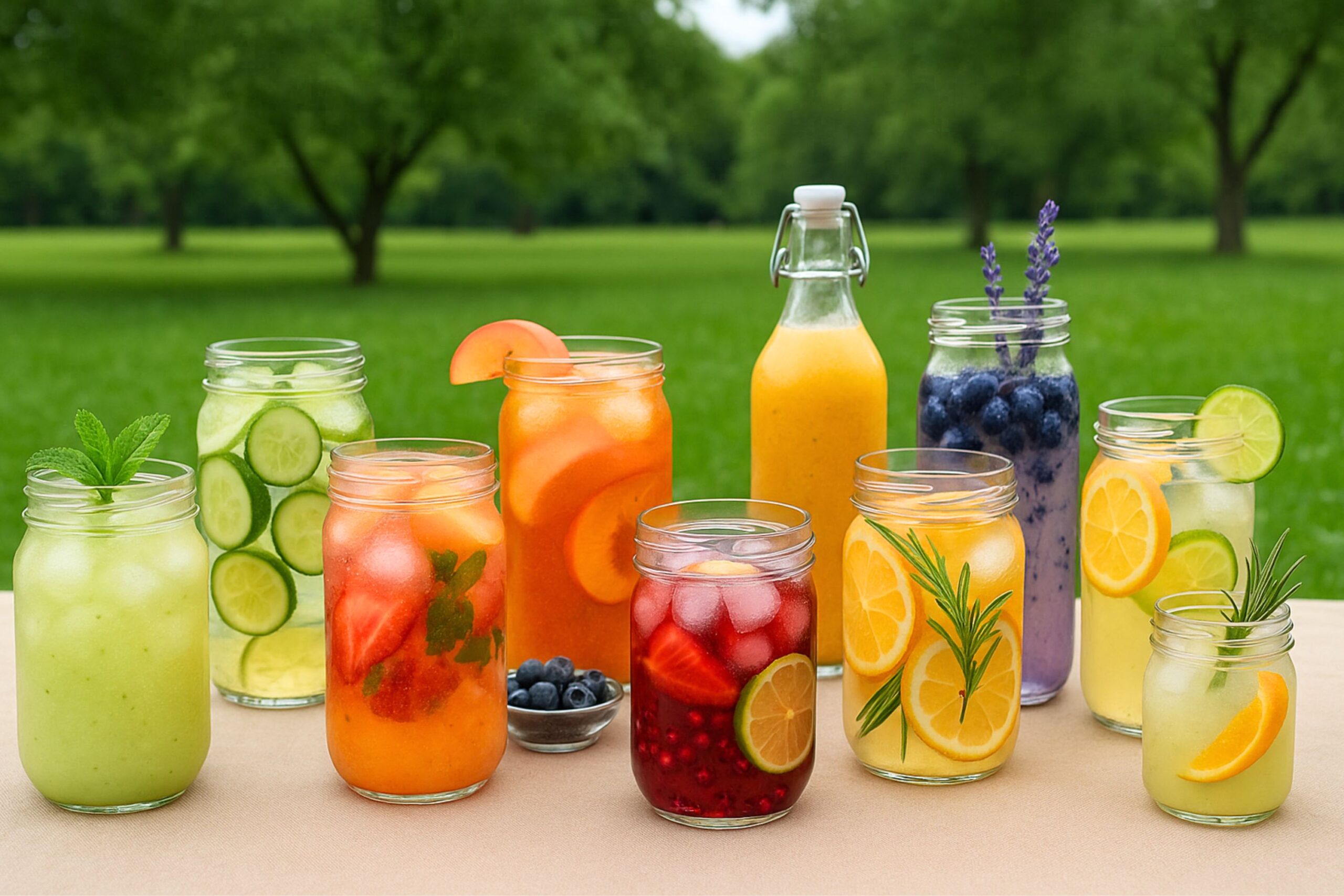
For a typical 2–3 hour picnic, plan approximately 1–1.5 liters (34–50 oz) of non-alcoholic beverages per adult. This total should prioritize water, with additional options such as juice, iced tea, or soft drinks. Children usually require 0.7–1 liter, depending on temperature and activity level.
If alcohol is allowed, limit service to one or two drinks per adult and never replace water with alcoholic beverages.
Always confirm local park or beach regulations in advance, as many public spaces restrict or prohibit alcohol entirely.
How do dietary preferences affect picnic food portions for each person?
Dietary preferences influence how food is consumed and should be factored into portion planning from the start. When calculating picnic food portions per person, menus must account for vegetarian, vegan, gluten-free, dairy-free, and low-sugar requirements to avoid uneven consumption.
When options are limited, guests naturally eat more of the foods that fit their diet. For this reason, increase quantities of inclusive items such as fresh salads, fruit platters, roasted vegetables, grain-based sides, and shared dips so all guests have adequate choices. If your group includes plant-based eaters, reviewing vegan picnic packing tips can help you select filling ingredients and portion sizes that work well outdoors.
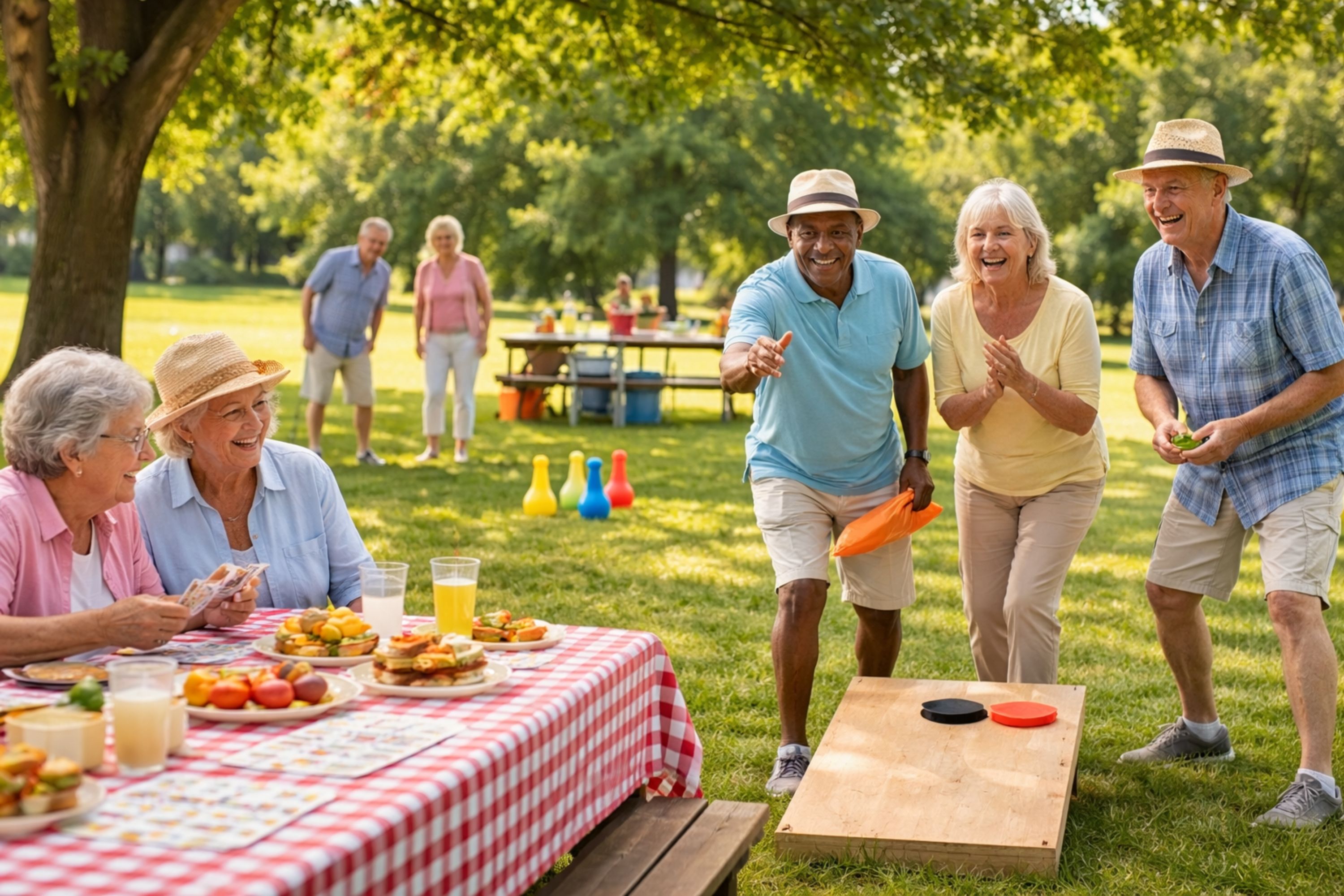
For senior-oriented picnics, portion planning should prioritize comfort and accessibility. Softer textures, lighter proteins, and smaller serving sizes reduce waste, support digestion, and make outdoor dining more enjoyable without overloading plates.
Accurate portion planning is what separates a well-organized picnic from one that feels rushed, wasteful, or underprepared. Outdoor meals require lighter, more flexible quantities that account for weather, timing, group makeup, and how food is actually consumed outside rather than at a table.
By balancing savory items, fresh produce, desserts, and beverages – and adjusting for dietary needs and environment – you create a menu that feels sufficient without excess. Once you determine portions, pair them with creative options from our list of best picnic food ideas for every taste.
Using picnic food portions per person as a planning framework helps control costs, reduce leftovers, and ensure every guest has enough suitable options to enjoy the experience comfortably.
FAQs
How do picnic food portions change for very short picnics?
For picnics under 90 minutes, food quantities can be reduced significantly because guests snack rather than eat a full meal. Focus on compact savory items, fruit, and drinks instead of full portions.
Should picnic portions be adjusted for standing or no-table setups?
Yes. When seating and tables are limited, people eat less. Smaller, handheld portions work better than plated foods, reducing both consumption and waste.
How do portion needs change for active picnics with games or walking?
Picnics involving physical activity increase calorie demand. Add extra protein-based snacks and carbohydrates while keeping foods light and easy to digest.
Do picnic food portions differ for morning versus evening picnics?
Morning picnics function more like brunch or snack breaks, requiring lighter quantities. Evening picnics closer to dinner time usually require more savory food and structured portions.
How should portions be planned when food is delivered instead of being homemade?
Delivered picnic food often comes in fixed quantities. Check serving sizes carefully and supplement with fruit, water, or sides to balance portions without over-ordering mains.
How long can picnic food safely stay unrefrigerated?
Most perishable foods should not sit unrefrigerated for more than 1 hour in warm weather or 2 hours in cooler conditions. Portion sizes should reflect realistic serving windows.
Should picnic portions change for hot versus windy locations?
Yes. Heat suppresses appetite, while wind and cooler coastal conditions can increase it. Adjust portions slightly based on exposure and shelter availability.
How do allergies affect portion planning for group picnics?
When allergens are present, safe foods are consumed faster. Increase portions of allergen-free items to ensure availability throughout the picnic.
Is it better to serve individual portions or shared platters?
Individual portions improve hygiene and portion control, especially in public parks. Shared platters work better for small, controlled groups with proper utensils.
How should portions be scaled for large group picnics?
Larger groups benefit from conservative portion planning due to overlapping eating patterns. Variety matters more than volume when serving many guests.
What foods cause the most portion miscalculations?
Heavy mains, bread-heavy items, and rich desserts are commonly overestimated. These foods appear filling but are often left unfinished outdoors.
How can leftover food be minimized after a picnic?
Portion control, pre-cut servings, and menu balance reduce leftovers. Planning food that can be safely repacked or reused also prevents unnecessary waste.