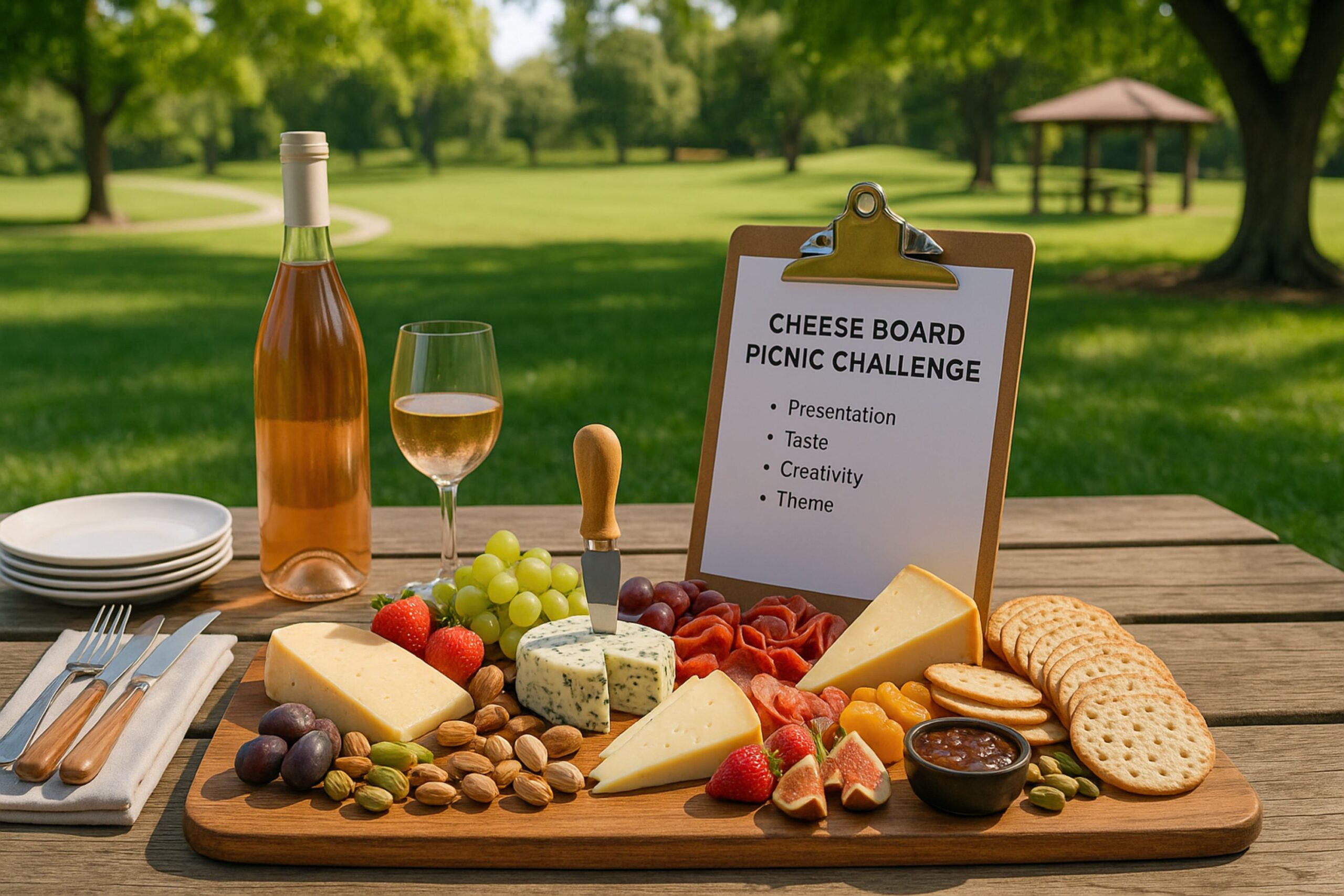
How to Create a Cheese Board Picnic Challenge?
A cheese board picnic challenge is an engaging outdoor activity where participants create themed cheese boards, present them, and compete for creativity, taste, and presentation. It blends picnic fun, gourmet food preparation, and friendly competition—perfect for park gatherings, special celebrations, or team-building events.
We are sharing expert hosting tips and creative inspiration to help you make your event stand out and be remembered long after the last bite.
What exactly is a cheese board picnic challenge?
A cheese board picnic challenge is an organized picnic event where each person or team designs and assembles their cheese platter using specific rules. Once complete, the boards are judged on presentation, taste, and originality. This format works for casual friends’ outings, corporate picnics, or even as a wedding shower activity.
To make it a success, you’ll need clear guidelines, find the correct picnic location, and include well-chosen ingredients, and fair judging criteria. Adding optional extras like wine or mocktail pairings can make the challenge even more memorable.
How do I set the rules so the challenge works for everyone?
Establishing clear, fair rules keeps the event organized and prevents confusion. Here’s how to set them:
- Theme selection – Choose a theme such as Mediterranean, French countryside, seasonal cheeses, local farm produce, or international flavors.
- Ingredient limit – Decide on the maximum number of items (e.g., 8 ingredients, excluding garnish) to encourage creativity.
- Budget cap – Keep it fair by setting a maximum spend per board (e.g., $20–$30 per participant).
- Time limit – Allocate 20–30 minutes for assembly at the picnic site.
- Board size requirement – Ensure boards are similar in size to make judging easier.
Provide these rules a week in advance so participants can shop for ingredients and prepare cutting or presentation elements.
For extra creativity, consider Lance Bass’s approach to his own annual Charcuterie Competition—he adds unexpected ingredients, like crunchy tacos, alongside gourmet cheeses to keep things fun and surprising (allrecipes.com). A similar twist in your challenge rules can spark innovation.
Where’s the best location to host this picnic challenge?
The location can make or break your event. For a cheese board picnic challenge, pick a public park, garden, or outdoor event space with:
- Picnic tables or open grass for layout and assembly.
- Shaded areas to protect the cheese and guests from direct sun.
- Nearby restrooms and water access.
- Permission for food gatherings—check local park regulations to ensure outside picnic food and group activities are allowed.
If hosting in summer, choose cooler morning or early evening hours. For larger events, reserve picnic shelters via your city’s parks department website.
What supplies and ingredients should I prepare?
Every participant should bring:
- Cheese board or serving platter (wood, slate, or marble works best).
- Cheese knives and small spoons for spreads.
- Napkins, plates, and tasting forks for guests.
Recommended cheese varieties (choose a mix of textures and flavors):
- Soft: Brie, Camembert, goat cheese.
- Semi-soft: Havarti, Fontina.
- Hard: Aged Cheddar, Manchego, Parmesan.
- Blue: Gorgonzola, Roquefort.
Accompaniments:
- Crackers, baguette slices, or flatbreads.
- Fresh fruit: grapes, figs, apple slices, strawberries.
- Dried fruit: apricots, dates, cranberries.
- Nuts: almonds, walnuts, pistachios.
- Spreads: honey, chutney, fig jam, olive tapenade.
- Optional proteins: prosciutto, salami, smoked salmon.
Martha Stewart recommends serving cheeses at room temperature for the best flavor, arranging boards at varied heights for visual appeal, and using a dedicated knife for each cheese type (foodandwine.com). These same principles apply perfectly to a picnic challenge setup.
Tip: Encourage participants to use seasonal and locally sourced ingredients for freshness and sustainability.
How can I keep the cheese fresh during the challenge?
Cheese safety is critical during an outdoor picnic. Follow these picnic food safety tips:
- Store cheese in airtight containers inside a cooler bag with ice packs.
- Keep soft and fresh cheeses chilled until just before judging.
- Place boards in shaded areas once assembled.
- Avoid leaving cheese out for more than 2 hours (1 hour if the weather is above 32°C / 90°F).
- For longer events, rotate boards in and out of the cooler between tasting rounds.
How do we judge the boards fairly?
Judging should be transparent and based on objective categories:
- Taste balance – Harmony between cheese, accompaniments, and garnishes.
- Presentation – Visual appeal, arrangement, and use of color.
- Creativity – Unique ingredient combinations or innovative themes.
- Theme adherence – How well the board matches the chosen theme.
You can assign a panel of judges or let everyone vote anonymously using scorecards. For larger groups, create award categories such as Best Flavor Combination, Most Photogenic Board, and Most Creative Theme.
How can I make the experience more interactive for guests?
Beyond assembling and judging, you can:
- Host tasting rounds where participants sample each board and rate their favorites.
- Add a pairing contest with wines, craft beers, or picnic mocktails.
- Run a cheese trivia quiz for extra prizes.
- Have a “mystery ingredient” challenge, where one item must be included in every board.
These extra elements keep guests engaged and make the event memorable and social.
What’s the best way to wrap up the challenge?
Once judging is complete:
- Announce winners and award small but relevant prizes such as gourmet cheese knives, mini cutting boards, or specialty jams.
- Take photos for social media—a cheese board backdrop or picnic blanket setup makes for great images.
- Encourage guests to pack leftovers in food-safe containers to reduce waste.
- Send participants home with a cheese pairing guide as a memento.
Quick Cheese Board Picnic Challenge Checklist
| Step | Task | Details & Tips |
| 📍 Location Booked & Confirmed | Secure a picnic-friendly venue | Choose a park or garden with shade, tables, and restrooms. Verify food regulations and reserve spaces in advance if required. |
| 📜 Rules & Theme Sent to Participants | Communicate the challenge guidelines | Email or message participants at least one week prior. Include theme, ingredient limits, budget caps, and time frame for assembly. |
| 🧀 Cheese & Accompaniments Sourced | Select varied flavors and textures | Mix soft, semi-soft, hard, and blue cheeses. Add seasonal fruits, nuts, crackers, artisan bread, spreads, and optional cured meats. |
| 🛠 Boards, Knives, Utensils, Plates Ready | Prepare serving and assembly tools | Provide wooden or slate boards, cheese knives, tasting forks, napkins, and small spoons for spreads. Assign separate knives for each cheese. |
| ❄ Coolers with Ice Packs Prepared | Maintain proper cheese temperature | Use insulated bags or coolers to keep cheeses fresh until assembly. Store soft cheeses chilled until just before judging. |
| 🏆 Judging Sheets & Prize Items Organized | Plan evaluation and awards | Create scorecards for taste, presentation, creativity, and theme adherence. Prepare small prizes like cheese knives, cutting boards, or gourmet jams. |
| 📸 Photo Setup Ready | Enhance presentation and marketing | Bring a neutral picnic blanket or backdrop for board display photos. Great for sharing on social media or event promotions. |
| 🧴 Sanitation Supplies Packed | Keep the event clean and safe | Include hand sanitizer, wet wipes, trash bags, and a first-aid kit for guest convenience. |
| 🍷 Pairing Beverages Prepared | Complement cheese flavors | Offer wine, sparkling water, craft sodas, or fruit mocktails. Provide appropriate glasses or cups for each drink type. |
| 🗑 Waste & Leftovers Plan | Reduce waste and manage cleanup | Bring eco-friendly containers for leftovers and ensure proper recycling or composting options. |
FAQs
How do you choose the best cheese for an outdoor event?
Select cheeses that can tolerate warmer temperatures, such as aged cheddar or gouda, for longer outdoor stability while still including softer cheeses in smaller portions.
What drinks pair best with a cheese board picnic challenge?
Sparkling water, chilled white wines, light reds, and fruit-based mocktails pair well, balancing the richness of cheeses without overpowering flavors.
How can I add a vegan option to a cheese board competition?
Use plant-based cheeses made from cashew, almond, or coconut milk, paired with fresh vegetables, hummus, and vegan crackers.
How do you keep bread and crackers fresh during a picnic?
Store them in airtight containers or paper bags, keeping them separate from moist ingredients until serving to avoid sogginess.
Can you include hot items on a cheese board picnic?
Yes, but keep them in insulated thermoses or heat-retaining containers and serve them quickly to maintain food safety.
What unique garnishes make a cheese board stand out?
Fresh herbs, edible flowers, and artisan pickles add visual appeal and flavor without taking up much board space.
How do you portion cheese for large groups?
Plan for 70–90 grams (2.5–3 oz) of cheese per person when multiple varieties are offered to ensure enough for everyone.
What are the best non-alcoholic pairings for cheese boards?
Herbal iced teas, sparkling apple cider, and fresh lemonade provide refreshing, palate-cleansing options.
Can dessert be part of a cheese board picnic challenge?
Yes—include chocolate-covered fruit, mini pastries, or sweet spreads like caramel sauce for a dessert element.
How can I label cheeses for a competition?
Use small chalkboard signs, toothpick flags, or eco-friendly paper tags to identify each cheese type clearly.
What are the best cheeses for gluten-free boards?
Most natural cheeses are gluten-free, but ensure all accompaniments, like crackers or bread, are labeled gluten-free.
How can you incorporate local flavors into a cheese board?
Source cheeses from regional dairies and pair them with locally grown fruits, nuts, and artisan preserves.
What are some budget-friendly cheese board ideas?
Combine supermarket staples like cheddar and mozzarella with one specialty cheese and inexpensive seasonal produce.
How can I make a cheese board more colorful for photos?
Use a variety of fruits, vegetables, and edible flowers arranged to create contrast and visual interest.
What’s the easiest way to transport a cheese board to a picnic site?
Pre-pack items separately in airtight containers, then assemble them on-site to keep textures and presentation intact.
How do you balance sweet and savory flavors on a board?
Pair salty cheeses with sweet fruits or jams, and creamy cheeses with tangy pickles or olives for contrast.
Can I pre-slice all cheeses for a picnic challenge?
Yes, but keep slices covered and refrigerated until serving to prevent drying out or flavor loss.
How can I add international flair to my cheese board?
Incorporate cheeses and accompaniments from different countries, like manchego with quince paste or brie with French baguette.
What tools make assembling a cheese board easier outdoors?
Small cutting boards, cheese knives, tongs, and insulated coolers keep preparation smooth and safe.
How do I make my cheese board eco-friendly?
Use reusable or compostable serving ware, source local ingredients, and pack leftovers in recyclable containers.