What Food Is Good for a Picnic for Kids?
Kids’ picnic food works best when it balances simplicity, portability, variety, and interaction. The most successful picnic meals for children are not necessarily the healthiest or the fanciest. They are foods that are easy to hold, fun to eat outdoors, resistant to mess, and flexible for different ages and preferences.
Traditional picnic planning focused mostly on convenience. Now, parents are choosing foods that also keep children engaged during the picnic itself. The shift matters because outdoor meals compete with distractions, movement, games, and changing appetites. Food that feels interactive tends to get eaten more consistently.
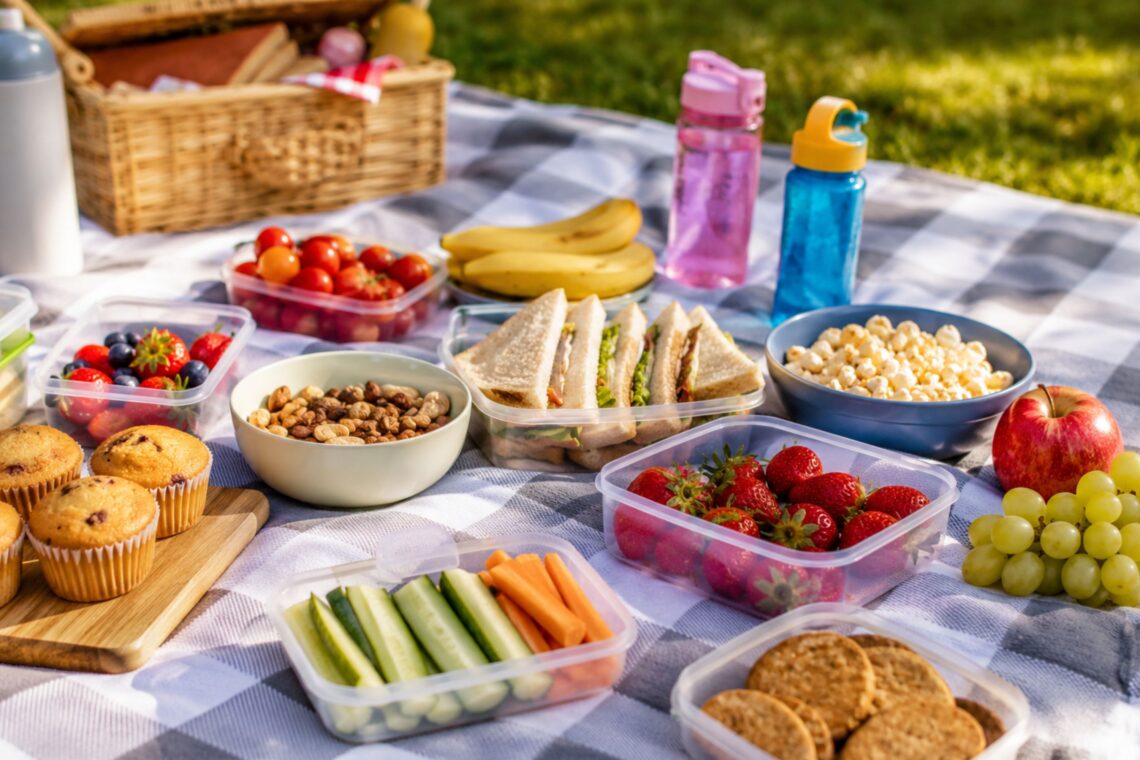
This is why modern family picnics rely less on large prepared meals and more on small-format foods children can combine, dip, stack, or personalize themselves. Mini sandwiches, fruit skewers, wraps, snack boxes, pasta salads, and finger foods work better because they match how kids naturally eat during active outdoor settings.
The picnic itself has changed too. It is no longer just “eating outside.” For many families, it has become part activity, part social event, and part screen-free experience. Food now supports that environment rather than interrupting it.
Why Finger Foods Perform Better at Kids’ Picnics
Finger foods reduce friction during outdoor eating because children can continue playing without fully stopping their activity. Foods that require cutting, balancing, or careful handling often get ignored once the picnic becomes active.
This is why small sandwiches, cheese cubes, crackers, sliced fruit, popcorn, mini muffins, and chicken bites consistently outperform larger meals at family picnics. The mechanism is practical: portability increases consumption.
Children also associate finger foods with independence. They can choose what they want, eat at their own pace, and avoid the pressure of sitting through a structured meal. That behavioral difference matters more outdoors than indoors.
Good picnic finger foods usually share four traits:
- Minimal mess
- One-hand eating
- No reheating needed
- Stable in warm weather
Foods that melt quickly, leak sauces, or become soggy create cleanup problems that disrupt the picnic experience. Parents increasingly avoid these foods because convenience now directly affects how long the outing stays enjoyable.
Fruit Works Better for Kids When It Feels Like a Snack Instead of “Healthy Food”
Fruit becomes more appealing to kids during picnics when it is prepared for convenience and visual variety rather than presented as a separate healthy option. Presentation changes consumption behavior.
Whole apples or large oranges often get ignored during picnics because they require effort. Meanwhile, watermelon cubes, grapes, strawberries, blueberries, and fruit skewers disappear quickly because they are immediate and accessible.
Outdoor environments naturally encourage grazing instead of formal eating. Smaller fruit portions align with that behavior. This is also why colorful combinations perform better than single-fruit containers. Variety creates curiosity, especially for younger children.
Frozen grapes, chilled melon containers, and fruit kabobs also help regulate temperature during warm-weather picnics. Parents increasingly use hydrating foods strategically because outdoor play increases dehydration faster than many expect.
Fruit also works as a balancing layer between heavier picnic foods like chips, sliders, pastries, or fried snacks. The contrast improves the overall eating experience instead of making the picnic feel overloaded.
Sandwiches Still Dominate Kids’ Picnics — But Smaller Versions Work Better
Mini sandwiches outperform full-sized sandwiches because kids prefer manageable portions during outdoor activities. Large sandwiches create handling problems and reduce flexibility when children want to snack intermittently.
The strongest picnic options are usually:
- Mini turkey or ham sliders
- Peanut butter and jam sandwiches
- Soft tortilla wraps
- Cream cheese pinwheels
- Small croissant sandwiches
The mechanism is simple: smaller foods lower commitment. Kids can eat quickly and return to playing.
Parents are also moving toward “buildable” picnic lunches instead of single prepared sandwiches. Bento-style containers with bread, cheese, turkey slices, cucumber sticks, and crackers allow children to assemble their own combinations. That interaction increases engagement with the meal itself.
Texture matters too. Soft breads generally perform better than crusty artisan breads at kids’ picnics because they are easier to eat outdoors without creating crumbs or difficulty chewing.
Temperature stability has become another deciding factor. Foods that remain safe and appealing after several hours in a cooler now dominate picnic planning more than appearance alone.
Interactive Picnic Foods Keep Kids Engaged Longer
Interactive foods increase participation because children enjoy controlling part of the eating experience. Picnics naturally support this behavior better than indoor meals.
This explains why DIY snack trays, dipping stations, taco kits, yogurt toppings, and picnic skewers perform so well for family outings. The food becomes part activity, not just nutrition.
The psychological shift is important. Kids often resist meals that feel structured but become enthusiastic when eating feels playful or customizable.
Simple examples include:
- Crackers with separate cheese slices
- Veggies with ranch or hummus dips
- Mini pancakes with fruit toppings
- Pretzel sticks with chocolate dip
- Popcorn mix stations
Parents increasingly use interaction as a strategy to reduce picky eating during outdoor meals. Children are more willing to try unfamiliar foods when they participate in assembling or pairing them themselves.
This reflects a larger change in family food behavior overall: participation now matters almost as much as the meal itself.
Balanced Picnic Foods for Kids Matter More During Longer Outdoor Activities
Longer picnics require energy stability, hydration, and slower-digesting foods because outdoor activity increases hunger fluctuations faster than indoor environments.
Highly sugary picnic snacks may create short bursts of energy followed by irritability or fatigue. That is why many parents now combine quick snacks with protein-based foods like cheese sticks, boiled eggs, yogurt pouches, turkey rolls, or nut-free trail mixes.
The goal is not strict nutrition control. It is maintaining mood and energy consistency during the outing.
Good balance often looks like:
- One protein source
- One hydrating food
- One fun snack
- One filling carbohydrate
This layered approach works better because picnics rarely follow normal meal timing. Kids may snack continuously over several hours instead of eating one large meal.
Portable cooling systems have also changed picnic food planning. Modern insulated lunch bags and reusable ice packs allow families to safely bring foods that previously felt impractical for outdoor trips.
As a result, picnic menus have expanded beyond chips and sandwiches into more balanced meal combinations.
Sweet Picnic Treats Work Best in Controlled Portions for Children
Desserts perform best at kids’ picnics when they are portioned individually. Large shared desserts create mess, uneven distribution, and constant handling issues outdoors.
Mini cookies, rice cereal treats, fruit popsicles in coolers, brownies, and cupcake bites consistently work well because they are compact and easy to manage.
Parents are increasingly avoiding desserts with heavy frosting, melting chocolate coatings, or fragile textures because outdoor temperatures quickly reduce food quality. Practicality now shapes dessert selection more than appearance.
There is also a noticeable shift toward “activity desserts.” Decorating cookies, building s’mores, or mixing snack bags gives children something memorable tied directly to the picnic experience.
This matters because modern family outings compete heavily with digital entertainment. Interactive food moments create stronger memories than standard packaged snacks alone.
Drinks Are Often the Most Overlooked Part of Kids’ Picnics
Hydration directly affects mood, energy, and attention during outdoor picnics, yet drinks are often treated as secondary planning items.
Water remains the most effective option because many picnic foods already contain sodium, sugar, or processed ingredients. Juice boxes remain popular largely because they are portable and familiar, but parents increasingly mix them with water-heavy foods like watermelon, cucumbers, and oranges to improve hydration balance.
Reusable insulated bottles are also changing picnic behavior. Children drink more consistently when they have personalized containers that stay cold during outdoor play.
Smoothies, flavored water, and yogurt drinks have become more common because they combine hydration with nutrition in portable formats. However, highly sugary drinks often create energy crashes during longer outings.
The best picnic drink strategy is usually simple:
- Mostly water
- One fun drink option
- Cold storage throughout the outing
The simpler the system, the easier the picnic becomes to manage.
The Best Kids’ Picnic Food Is Food That Supports the Experience
The best picnic foods for kids are the foods that stay easy, flexible, interactive, and stress-free throughout the outing. The goal is no longer creating a perfect outdoor meal. It is supporting the overall experience.
Food now functions as part of the activity itself. Smaller portions, customizable snacks, portable hydration, and interactive eating work better because they match how children naturally behave outdoors.
Picnics succeed when food adapts to movement, play, weather, and short attention spans. The meals that work best are rarely the most elaborate. They are the ones children actually enjoy eating outside.
FAQs
What are the safest picnic foods for kids during hot weather?
The safest picnic foods for kids in warm weather are foods that stay stable in insulated coolers and do not spoil quickly outdoors. Options like wraps, hard cheeses, sliced vegetables, dry snacks, whole fruits, pasta salad without heavy mayonnaise, and sealed yogurt pouches usually perform better than highly perishable meals. Using ice packs and shaded storage also helps maintain food safety during summer picnics.
How can parents pack a kids’ picnic without using too many processed snacks?
A balanced kids’ picnic can rely on simple homemade foods instead of packaged snacks. Mini wraps, boiled eggs, fruit containers, cucumber sticks, homemade muffins, cheese cubes, popcorn, and oat bars provide variety without depending heavily on ultra-processed foods. Many parents now mix convenience foods with fresh ingredients to keep preparation realistic while improving nutrition quality.
Which picnic foods work best for picky eaters?
Picky eaters usually respond better to familiar foods presented in smaller portions with flexible choices. Bento-style lunch boxes, snack platters, mini sandwiches, plain crackers, fruit slices, and simple pasta options reduce pressure during outdoor eating. Allowing children to choose between several small items often increases overall food acceptance at picnics.
What are good allergy-friendly foods for a children’s picnic?
Allergy-friendly picnic foods often include nut-free snacks, seed butter sandwiches, fresh fruit, rice crackers, hummus cups, dairy-free muffins, roasted chickpeas, and vegetable sticks. Clear food separation is important during group picnics because cross-contamination can happen easily outdoors. Many families now label shared picnic foods when attending larger gatherings or school events.
How do you keep picnic food cold for kids during long outdoor trips?
Insulated picnic bags, reusable ice packs, frozen water bottles, and layered containers help maintain safe temperatures for several hours. Foods should remain in cool storage until serving time, especially dairy products, meats, and yogurt-based snacks. Packing cold foods tightly together also slows temperature changes during outdoor travel.
What drinks are best for keeping children hydrated at a picnic?
Water remains the best hydration option for children during outdoor picnics because active play increases fluid loss quickly. Coconut water, diluted fruit juice, milk boxes, and low-sugar smoothies can also work well when stored properly in coolers. Hydrating foods like watermelon, strawberries, cucumbers, and oranges support fluid intake naturally during warm-weather outings.
Are homemade picnic lunches better than store-bought picnic snacks?
Homemade picnic lunches provide more control over ingredients, sugar levels, portion sizes, and freshness. However, store-bought snacks can still play a useful role when convenience matters. Many parents combine homemade picnic foods with ready-to-eat items to reduce preparation time while maintaining balance and variety for children.
What are the easiest mess-free picnic foods for toddlers?
Toddlers usually handle soft finger foods and bite-sized snacks most easily during picnics. Banana slices, soft sandwiches, mini pancakes, cheese cubes, cooked pasta, berries, and toddler snack pouches help reduce spills and frustration outdoors. Foods that require minimal utensils tend to work best for younger children during active family outings.
How can parents make healthy picnic food more exciting for kids?
Presentation and interaction strongly influence how children respond to healthy picnic foods. Colorful snack trays, themed lunch boxes, fruit skewers, dipping sauces, and shape-cut sandwiches make simple foods feel more engaging. Children also tend to try new foods more willingly when picnics include games, outdoor activities, or shared family eating experiences.
What are the best make-ahead picnic foods for busy families?
Make-ahead picnic foods help reduce stress before outdoor trips and family gatherings. Pasta salads, overnight wraps, baked muffins, snack boxes, chopped fruit containers, and mini sandwiches can often be prepared the night before. Pre-planned picnic meals also improve organization during road trips, beach outings, and park picnics with children.
How much food should you bring for a kids’ picnic?
The amount of food depends on picnic length, weather, activity level, and the number of children attending. Active outdoor play usually increases hunger faster than indoor activities. Smaller portions with multiple snack options often work better than one large meal because children tend to eat gradually throughout the picnic.
What picnic desserts are easiest to transport for children?
Portable picnic desserts with stable textures travel best during outdoor activities. Cookies, cereal bars, mini brownies, banana bread slices, and fruit-based treats are easier to pack than desserts with heavy frosting or melting toppings. Individually portioned sweets also reduce cleanup and make sharing simpler during family picnics or birthday outings.

You May Also Like
Non Alcoholic Drinks for Picnic: 15 Easy Recipes
How to Calculate Picnic Food Portions Per Person